
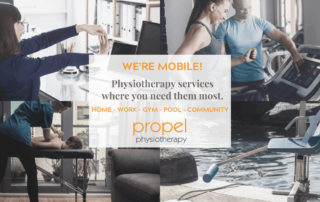
Community Physiotherapy in Pickering
Propel Physiotherapy offers community physiotherapy in Pickering and surrounding areas. Community physiotherapy is the practice of providing physiotherapy assessment and treatment to clients outside of the clinic-based setting. We can treat clients in their homes, in the gym, a community pool, their residence, hospitals, schools or any community setting where they might find themselves. Community physiotherapy allows for access to physiotherapy services for individuals who are unable to come into the clinic for a variety of reasons like work or school schedules. Although, it is particularly beneficial for individuals who have difficulty accessing our services in the clinic. For example, [...]
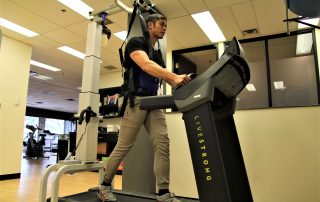
Body Weight Supported Treadmill Training in Neurological Rehabilitation
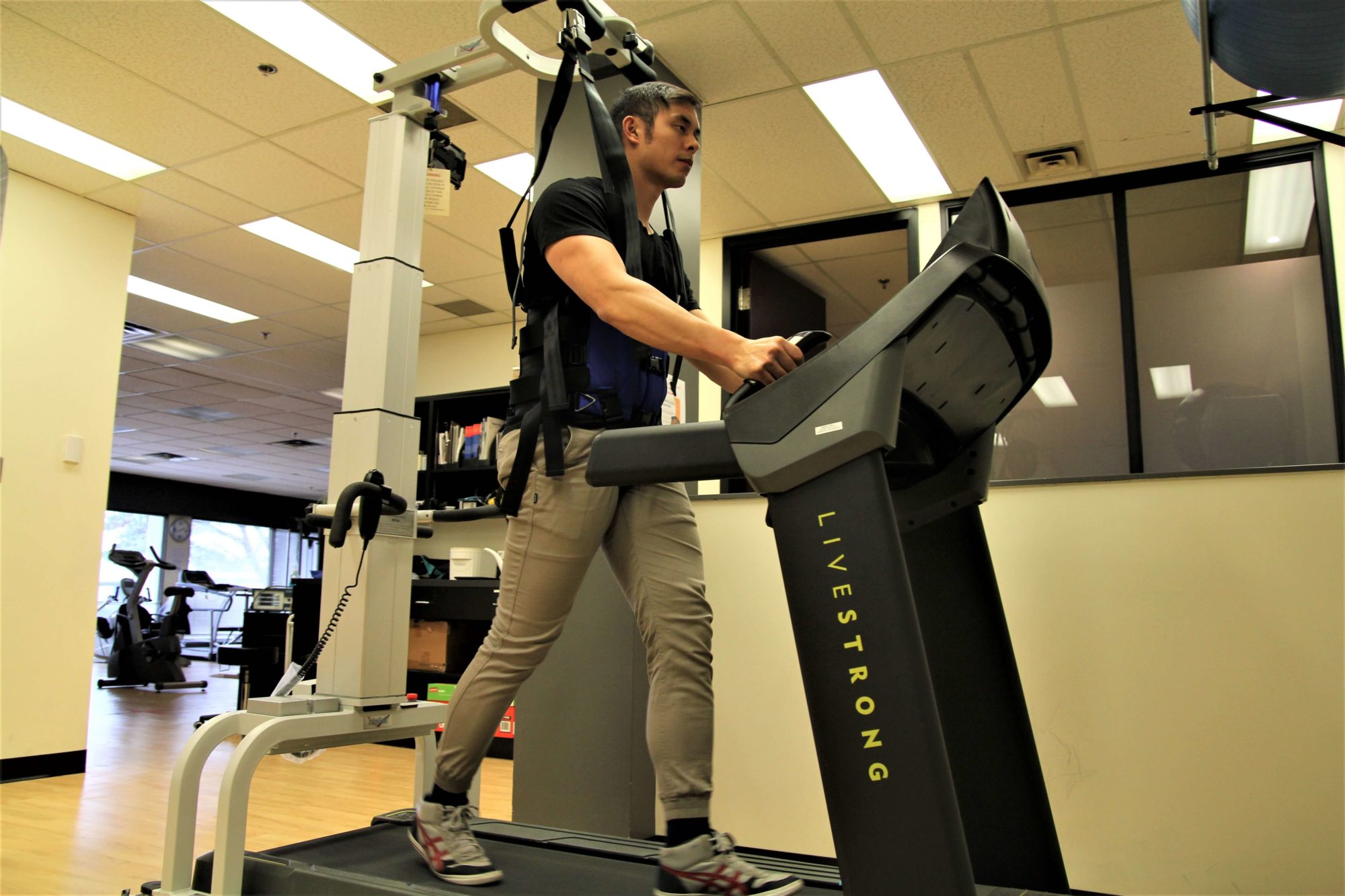
Neurorehabilitation encompasses a wide range of medical interventions aimed at helping people recover from a nervous system injury, such as traumatic brain injury, stroke, or spinal cord injury. The goal of neurorehabilitation is to optimize recovery, minimize compensations, and increase the intensity of skill practice¹. The human brain and body are extremely efficient at finding ways to accomplish tasks after an injury. However, even though the task gets accomplished, it might not be the best for your recovery. For example, if someone is trying to walk after a stroke, they will often lean to their stronger side and then [...]

How Mindfulness Helps Manage Symptoms of Chronic Illness
Since the late 1970s, there have been over 1,000 publications reporting the effectiveness of mindfulness in managing symptoms of chronic illnesses, including conditions like heart disease, stroke and arthritis. Mindfulness training is a type of meditation that involves breathing methods, guided imagery, and other practices. The goal of any mindfulness technique is to achieve a state of alert, focused awareness by deliberately paying attention to thoughts and sensations without judgment. This allows the mind to refocus on the present moment and can give one the enhanced ability to deal with illness. It may sound like a simple at first but anyone [...]
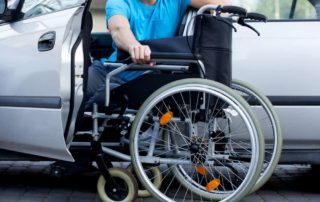
Developing Meaningful Goals for SCI Rehabilitation
At Propel Physiotherapy, we take an evidence informed approach to our rehabilitation programs incorporating current understanding of neurophysiology, motor learning and neuroplasticity principles to enhance therapeutic outcomes. While knowing how and where a spinal cord injury occurred is a key indicator of what level of recovery is expected, two clients with the same diagnosis may have very different needs and lifestyles. In order to develop meaningful goals for SCI rehabilitation, it is equally important to tailor the physiotherapy program to the individual. Determining the Level of SCI Recovery Expected The spinal cord is thick bundle of nerves that starts [...]
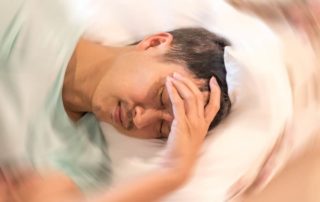
Vestibular System and Balance
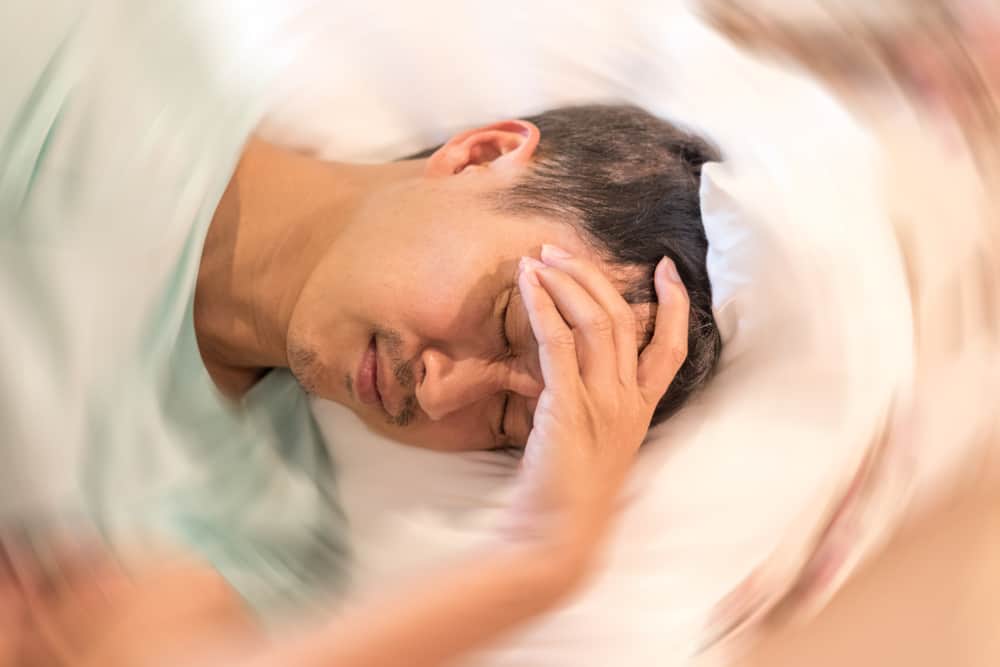
This week, we are examining the relationship between the vestibular system and balance in recognition of Balance Awareness Week – a week where we try to grow awareness of the impact balance disorders have on millions of people around the world. Did you know that up to 35% of adults 40 years and older – over six million Canadians – have a vestibular problem at some point in their lives¹? As physiotherapists and movement specialists, we are focusing our efforts on education around vestibular disorders that can affect a person’s balance at home, work, school, and the community and treatment [...]
Assistive Devices for SCI Rehabilitation
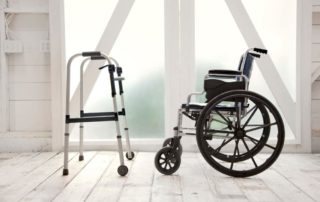
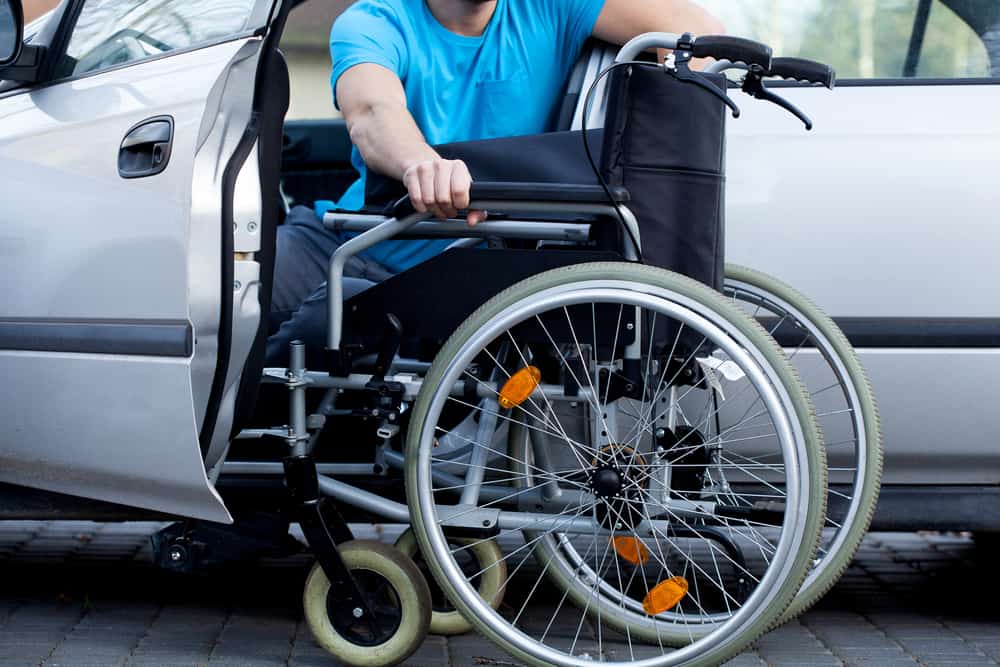
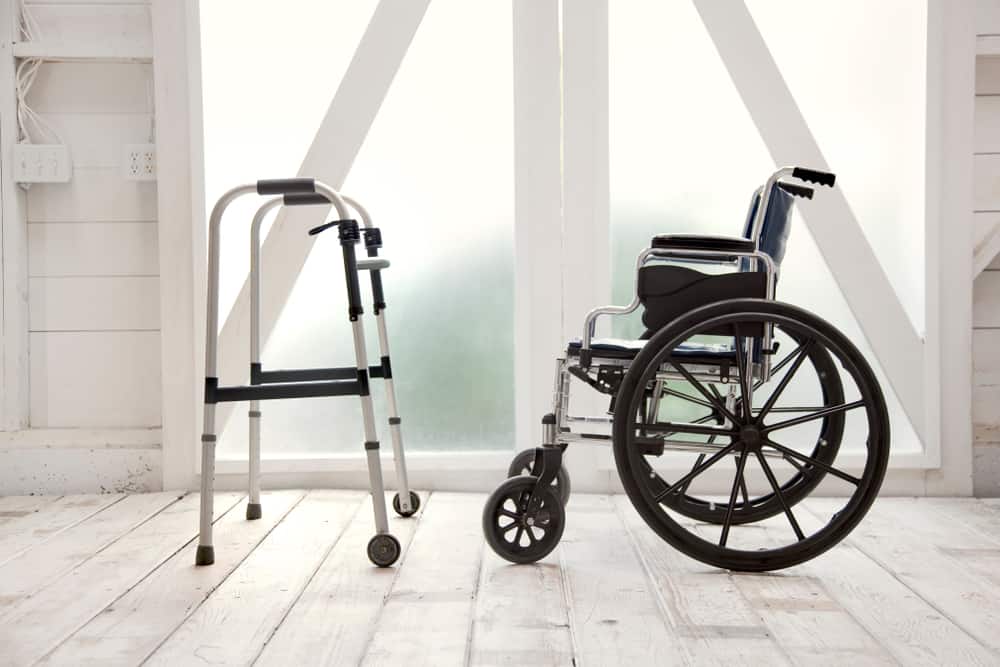
At Propel Physiotherapy, the treatment of people living with spinal cord injury (SCI) begins with a detailed neurological physiotherapy assessment, application of meaningful outcome measures, and the development of salient goals. Throughout this process, it may be determined appropriate that the client living with SCI use specific pieces of therapeutic equipment or assistive devices for SCI rehabilitation. Assistive Devices for Incomplete Spinal Cord Injuries Individuals with an incomplete spinal cord injury are likely to see the biggest functional benefits from gait-training, and depending on the level of injury, may be more likely to walk with or without a mobility [...]