

Herniated Disc Treatment
A herniated disc is a common cause of low back pain. This type of injury occurs mostly in people between 30 and 50 years of age. However, it is two times as likely to occur in men versus women.[i] Some herniated discs do not cause any symptoms. But, many cause pain and limitation in function. Herniated disc pain is often burning or stinging and can radiate into the legs. If left untreated, this type of back injury can lead to pain, loss of function and mobility. In the article we will look at the symptoms and management for herniated [...]

How Does Warming Up Prevent Injury?
As exercise professionals, we recommend warming up the body before engaging in physical activity. Whether you’re walking to work, raking leaves, weight lifting or playing sports, doing a proper warm up has several benefits, including helping to prevent injury and optimizing your performance. To better understand what constitutes a warm up exercise, the optimal way to warm up, and understand how warming up prevents injury, we will delve into the physiology and research around it. What is a Warm Up? A warm up is any activity that helps prepare you for the activity that you are about to perform, [...]

Compression Fractures: Causes, Symptoms and Treatment
Compression fractures can affect anyone at any point in their life. These types of fractures are most common in the elderly. In fact, 25% of post-menopausal women will experience a compression fracture.[i] These types of fractures can cause significant pain and disability. This can lead to a loss of function and mobility. In this article, we explore why compression fractures occurs. We then discuss management options for this condition. What is a Compression Fracture? Compression fractures occur when the vertebral body breaks. This happens in response to stress or pressure placed on the vertebrae. Vertebrae are the bones stacked [...]

Static Balance vs. Dynamic Balance Exercises
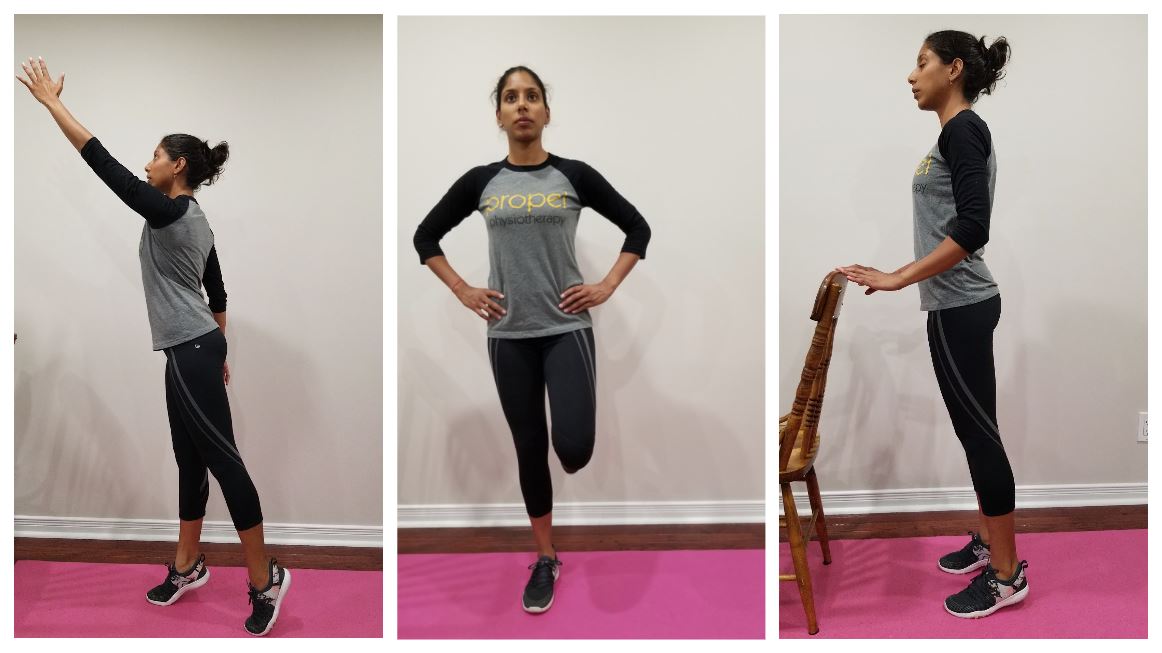
Exercises to improve balance can be split into two categories, static balance vs. dynamic balance. Static balance is our ability to hold our body in a specific position and posture while dynamic balance is our ability to maintain balance while moving our body and walking. In static balance the body remains stationary, and the centre of mass is over the base of support. This type of balance is important when doing activities such as squatting or standing on one leg. Dynamic balance is required when your body is in motion and most mimics real life situations, such as walking. Having [...]
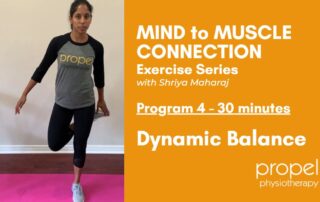
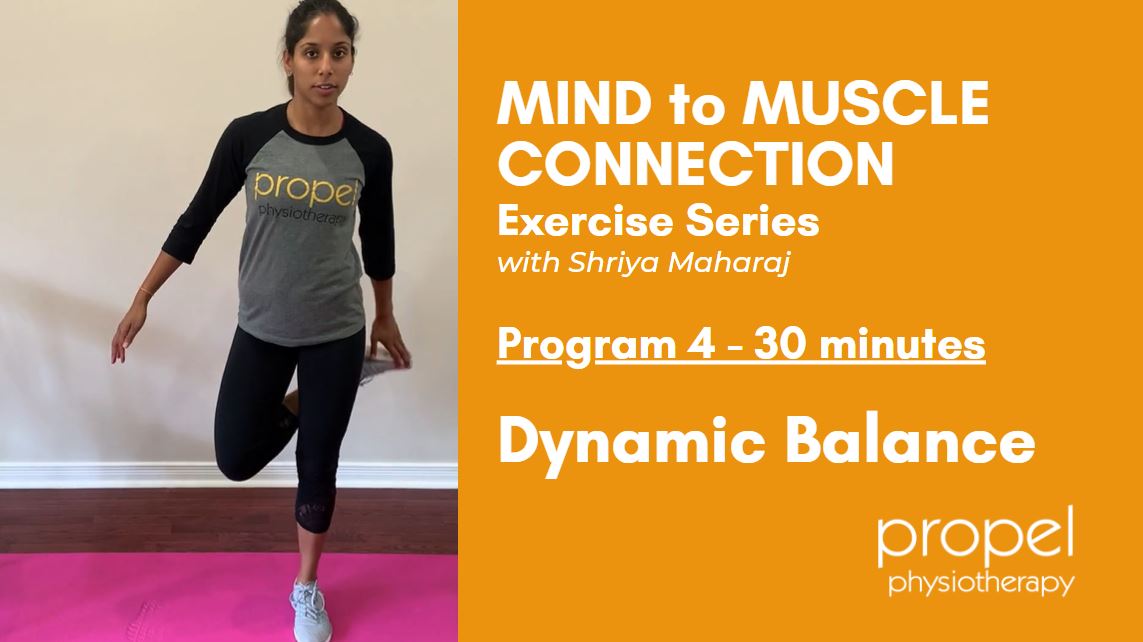
Dynamic Balance Exercise Program for Brain Injury Recovery
Physical activity and exercise are vital to recovery after a brain injury. Whether you are starting exercise for the first time or returning to exercise after injury, strength training and cardiovascular activity can help to improve strength, mobility, cognitive function and overall quality of life. Recovering from a traumatic brain injury can often be a slow and persevering process filled with many ups and downs. Improving both physical fitness and mental fitness are key when returning to daily activities, work or school, sports and other life events. Many individuals recovering from brain injury have lower overall fitness levels when compared to [...]



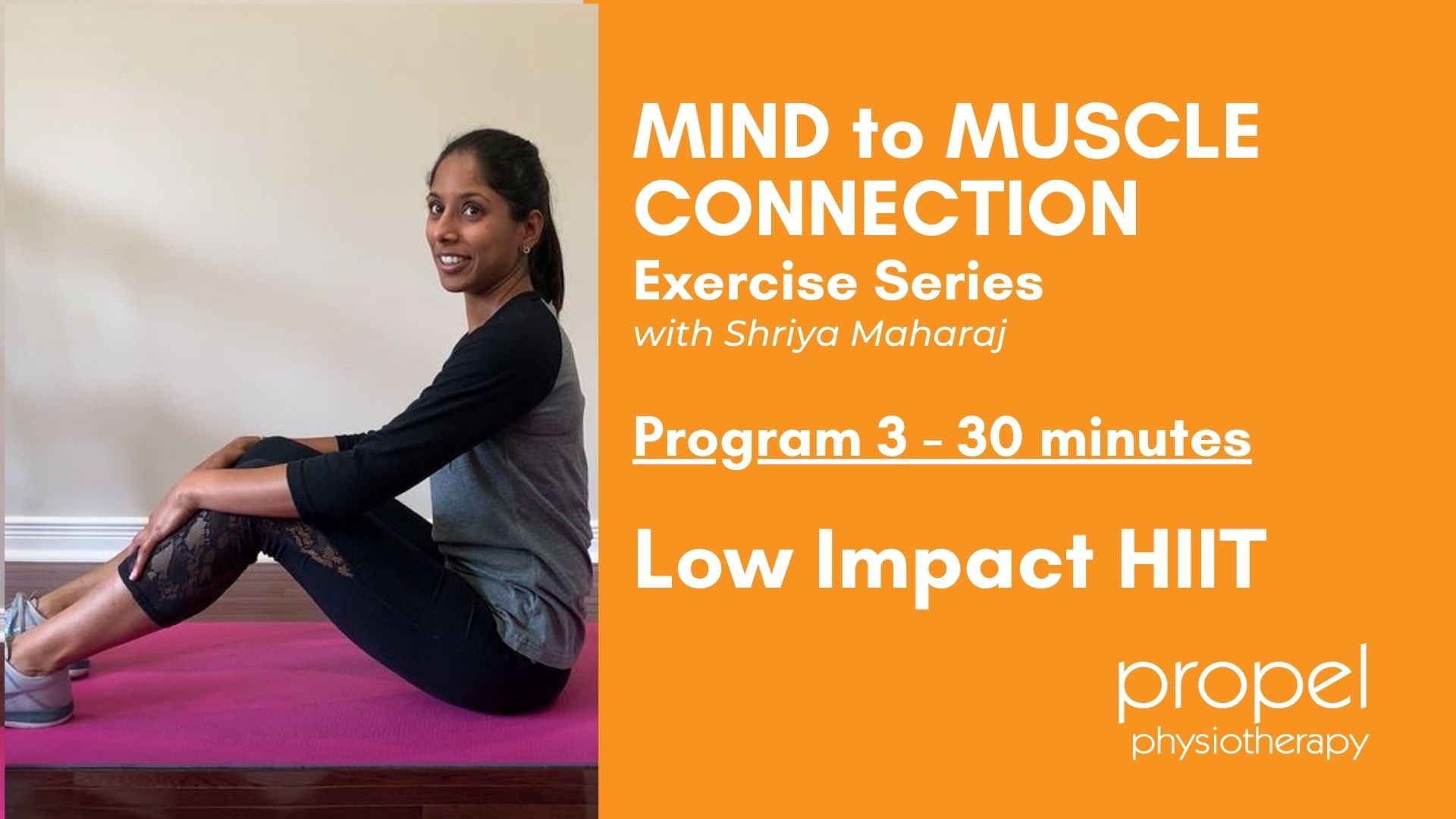
Low Impact HIIT Program for Brain Injury Recovery
Cardiovascular health is directly linked to brain health. Concussion symptoms can have an adverse effect on cardiovascular outcomes such as heart rate and blood pressure. Nausea, dizziness, confusion, fatigue, headaches, and other symptoms cause increases in heart rate which puts added stress onto the heart increasing blood pressure, increasing the risk of cardiovascular health events. Engaging in regular cardiovascular and aerobic activities help to improve brain injury and concussion recovery by managing blood flow which in turn improves blood flow to the brain to improve symptoms. Further engaging in at least 30 minutes of cardio activities per day improves [...]