
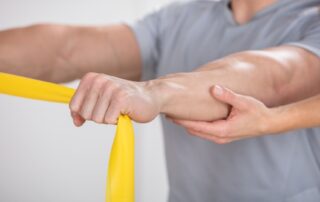
Shoulder Replacement Physiotherapy
Shoulder pain and disability caused by degenerative diseases and injury can lead to the need for shoulder replacement surgery. Most people who undergo shoulder replacements enjoy life with less pain. Shoulder replacement physiotherapy is critical to the success of this type of surgery. This article will help you understand shoulder joint anatomy and reasons for shoulder replacement surgery. We will also discuss the two types of shoulder replacement surgeries and detail shoulder replacement physiotherapy protocols. Shoulder Joint Anatomy Your shoulder is made up of three bones: your upper arm bone (humerus), your shoulder blade (scapula), and your collarbone (clavicle). [...]
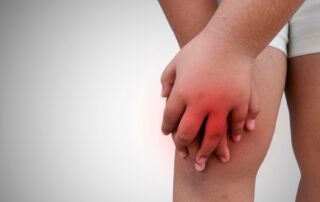
Juvenile Idiopathic Arthritis Treatment
Juvenile idiopathic arthritis is the most common form of arthritis in children and adolescents. It is a chronic condition that causes pain and swelling in the affected joints.[i] Juvenile idiopathic arthritis treatment can help with maintaining and improving function and reducing symptoms so that kids can get back to doing things they enjoy. In this article, we will look at the symptoms, causes and subtypes of juvenile idiopathic arthritis. We will also discuss juvenile idiopathic arthritis treatment options, including physical therapy. What is Juvenile Idiopathic Arthritis? Juvenile idiopathic arthritis, also known as juvenile rheumatoid arthritis, is an autoimmune condition. [...]

Benefits of Good Posture: How to Find Your Optimal Posture
Therapists often assess and compare patients’ postures to an orthopedic ideal. However, it has been shown that what some physiotherapists (and the vast majority of the public) would consider good posture, may not necessarily be linked to better health outcomes.[i] For example, a person who is a manual wheelchair user may have a significantly different optimal posture compared to a 75-year-old with osteoporosis and a history of vertebral fractures. In the same light, an optimal posture for a person who sits at a desk all day would be different from a person who works with their hands all day [...]

Labral Tears Shoulder Treatment
Shoulder labral tears are very common but often go undetected. That’s because the shoulder labrum doesn’t need to be fully intact to have a pain-free and fully functional shoulder. That said, shoulder labral tears can cause painful popping in the shoulder joint, decreased strength and endurance in the shoulder muscles, and decreased loss of internal rotation of the shoulder. Treatment for shoulder labral tears begins with conservative management, including physiotherapy. In this article, we look at why these injuries occur, different classifications and treatment options. What is the Labrum? In your shoulder joint, there is a cup shaped ‘rim’ [...]

5 Healthy Ways to Show Yourself Some Love on Valentine’s Day
Do you find yourself prioritizing ‘productivity’? If you choose work, housework or relationships over taking care of your body and mind too often you’re not alone. Our culture incentivizes and rewards a busy and hectic lifestyle. However, these ideas are dangerous and counterproductive. They often lead to exhaustion, fatigue, depression, anxiety and chronic pain. Investing in your own health and well being should be a priority. In fact, it actually leads to increased productivity. You will also benefit from enhanced mood leading to greater mental and physical health and well being. Here are five ways to start to make an [...]

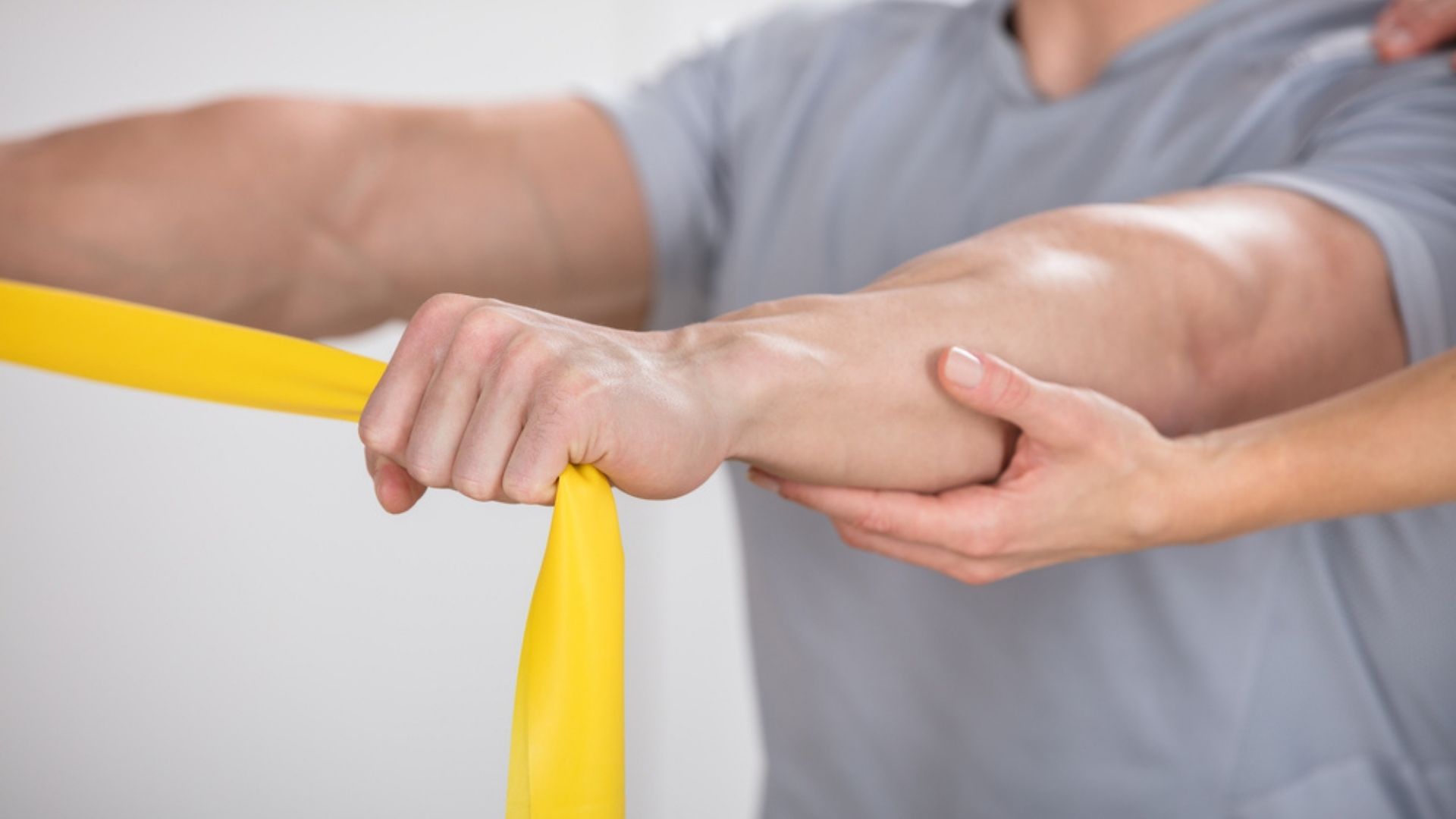
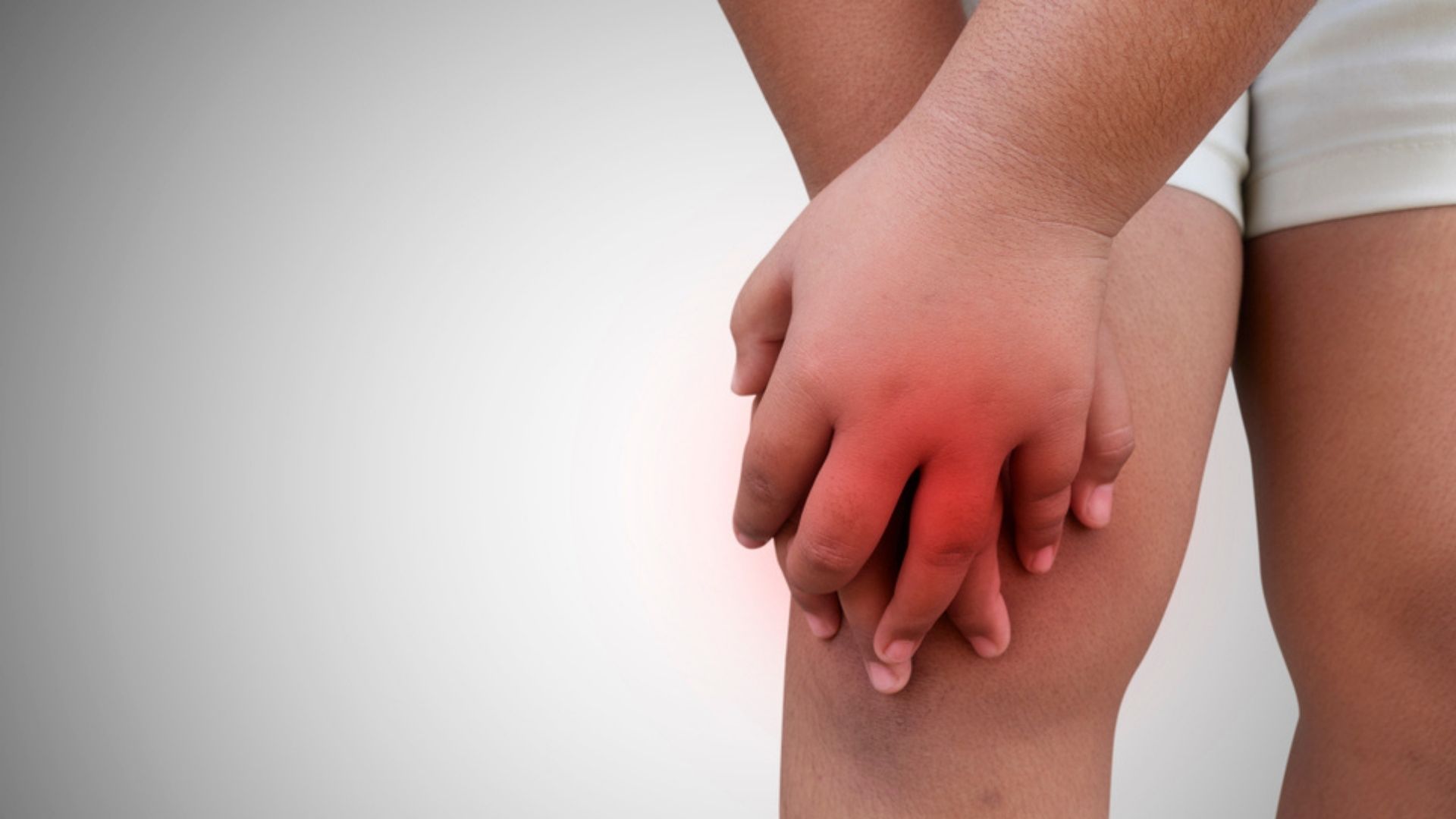



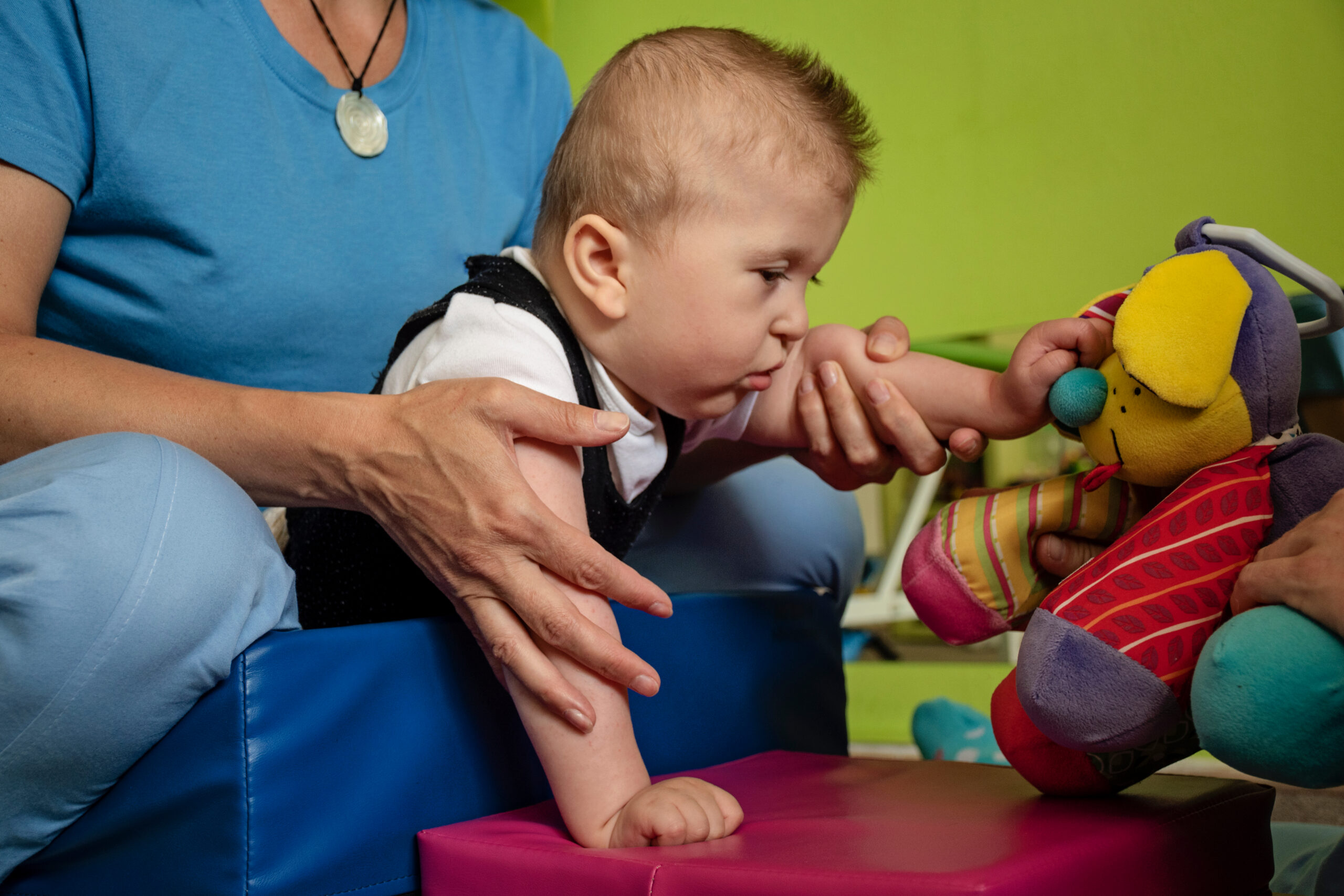
Cerebral Palsy Physiotherapy
Cerebral palsy is a movement disorder caused by abnormal development or damage to the brain during pregnancy, childbirth or infancy. Cerebral palsy physiotherapy aims to target the specific motor symptoms of cerebral palsy and reduce long term complications. At Propel Physiotherapy, our physiotherapy programs are tailored to the unique presentation and challenges of each individual. Cerebral palsy is the most common cause of motor disability in childhood.[i] The birth prevalence of cerebral palsy in developed countries is estimated to be 2.11 per 1000 live births.[ii] Early identification and intervention are key for successful outcomes. In this article we will [...]