

Cancer and Exercise: Benefits, Precautions and Guidelines
Gone are the days when cancer patients were told to rest during and after cancer treatments. Research has shown conclusively that exercise has numerous benefits for cancer prevention, as well as during and after cancer treatment. Due to increased screening and education as well as medical treatment advances, a greater number of cancer patients are living longer. Many types of cancer are now seen as a chronic illness that can be managed and controlled. With an estimated 2 in 5 Canadians (44 percent of men and 43 percent of women) expected to develop cancer during their lifetime,[i] exercise can [...]
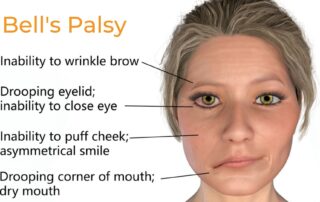
Bell’s Palsy Treatment
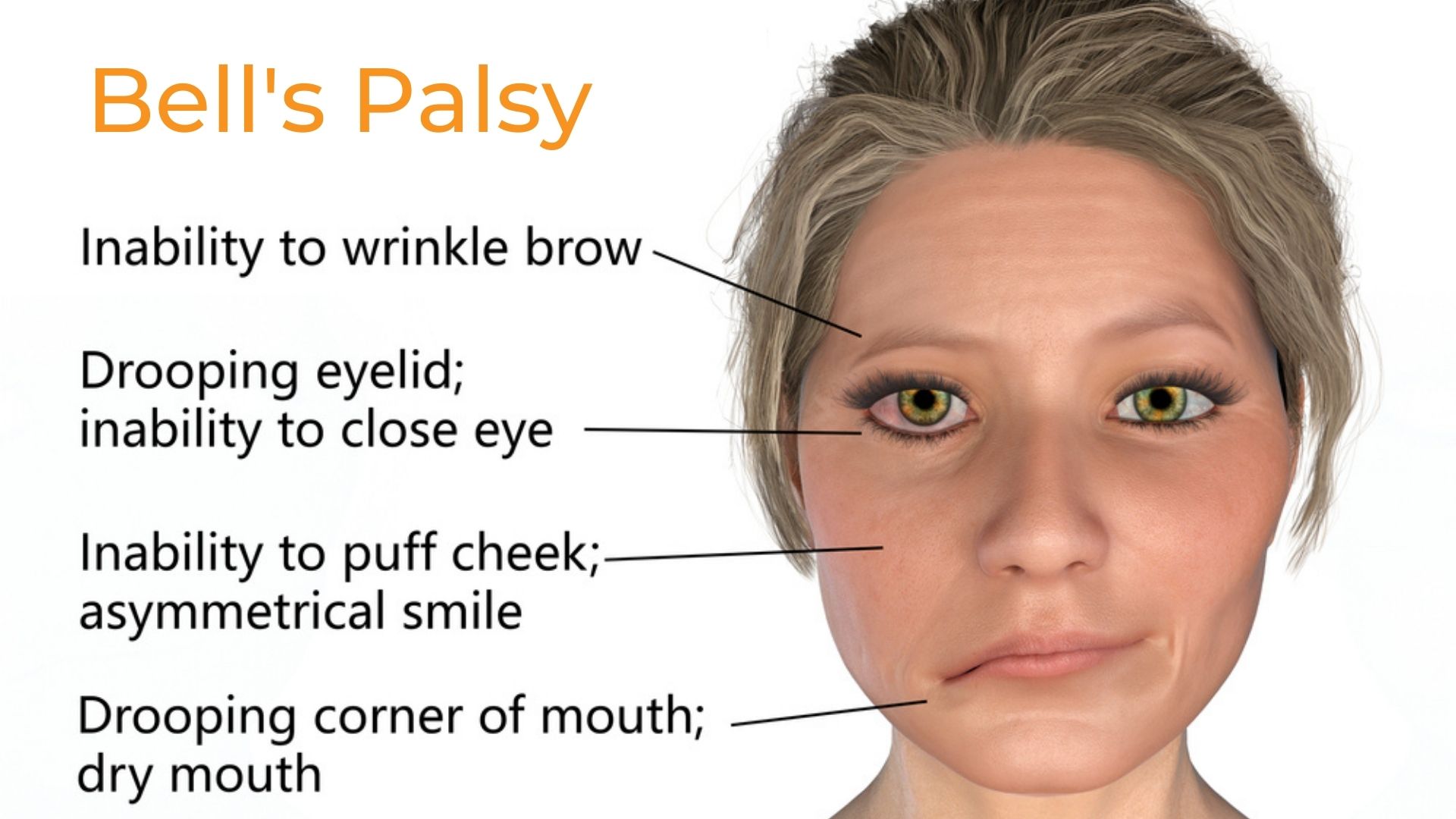
Bell’s palsy is a form of facial paralysis that is thought to occur after a viral infection. Symptoms like facial drooping, difficulty closing the eye on the affected side, drooling and loss of taste can appear suddenly. Symptoms generally resolve on their own within a few weeks but can also be permanent. Physiotherapists are trained to assess your condition and provide a customized Bell’s palsy treatment plan. In this article we will look at the symptoms, causes and treatment of Bell’s palsy. We detail some of the stretching and strengthening techniques we use with some of our clients to [...]

How to Eliminate Barriers to Physical Activity for People with Brain Injury
Physical activity is an essential part of recovery from a traumatic brain injury (TBI). There is substantial evidence to support the benefits of regular exercise for people living with TBI regardless of the severity and complexity of symptoms. [i] Despite this evidence, adoption of an exercise program—and adherence to one—can be hindered by several barriers to physical activity. The Canadian Physical Activity Guidelines recommend people ages 18 to 64 years engage in 150 minutes a week of moderate to vigorous exercise.[ii] These can be activities that range from jogging to a group sport to swimming laps or taking a [...]

How to Safely Return to Activity After a Break
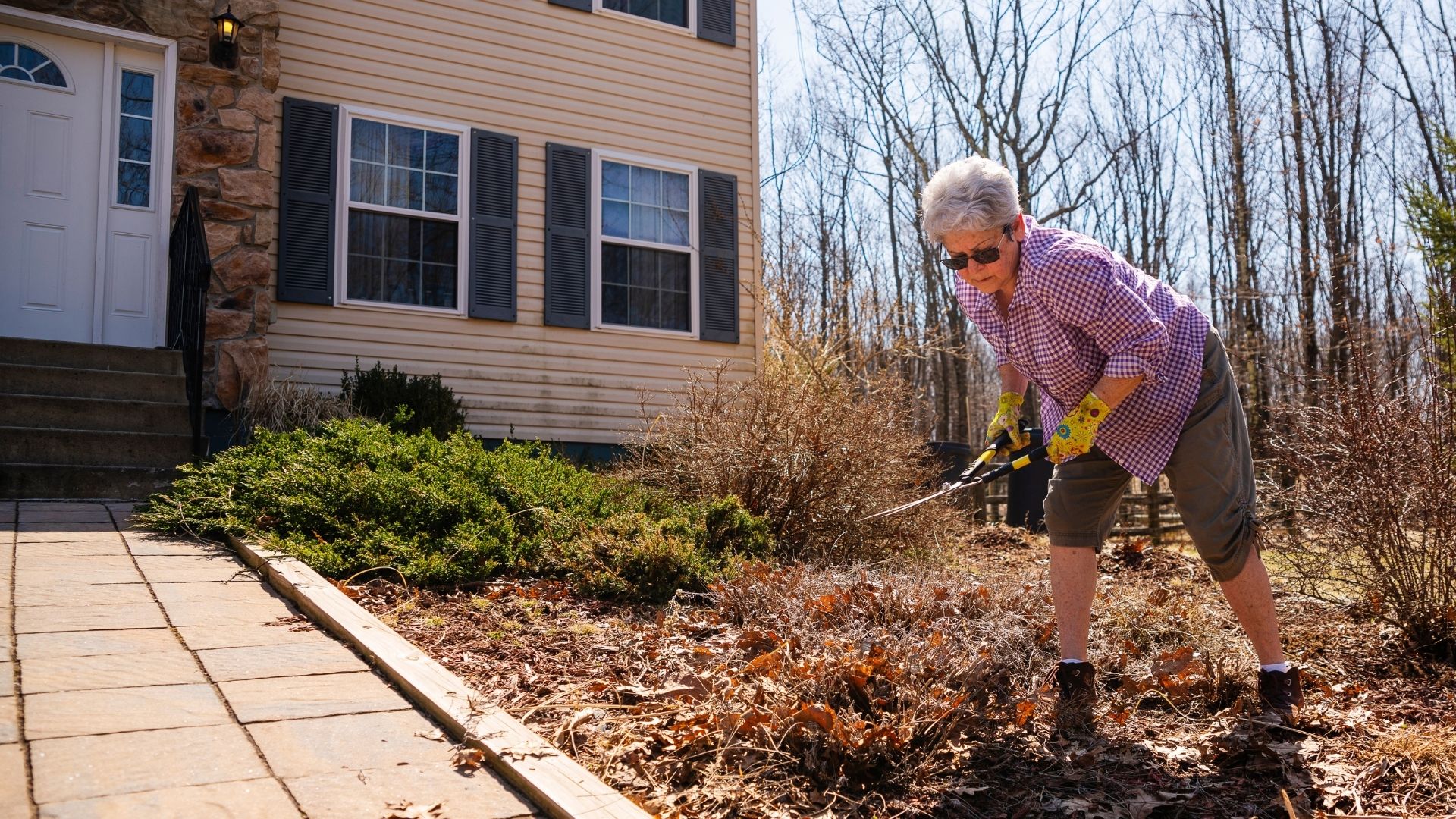
Canadian winters can be hard in many ways. In addition to shorter, darker days, the ice, snow and cold keep many people indoors and much more sedentary than they are inclined to be. When milder weather returns, we are naturally excited to get back to outdoor activities we have missed over the winter. Whether it’s running, gardening, golfing or another activity, knowing how to safely return to activity after a break is key. To ensure a safe and pain-free return to those activities, it is important to build up your strength and activity tolerance gradually. Simply jumping back into [...]
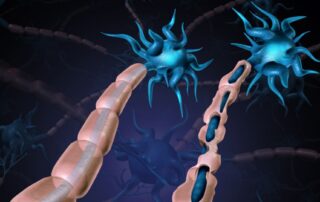
Peripheral Nerve Injury Treatment
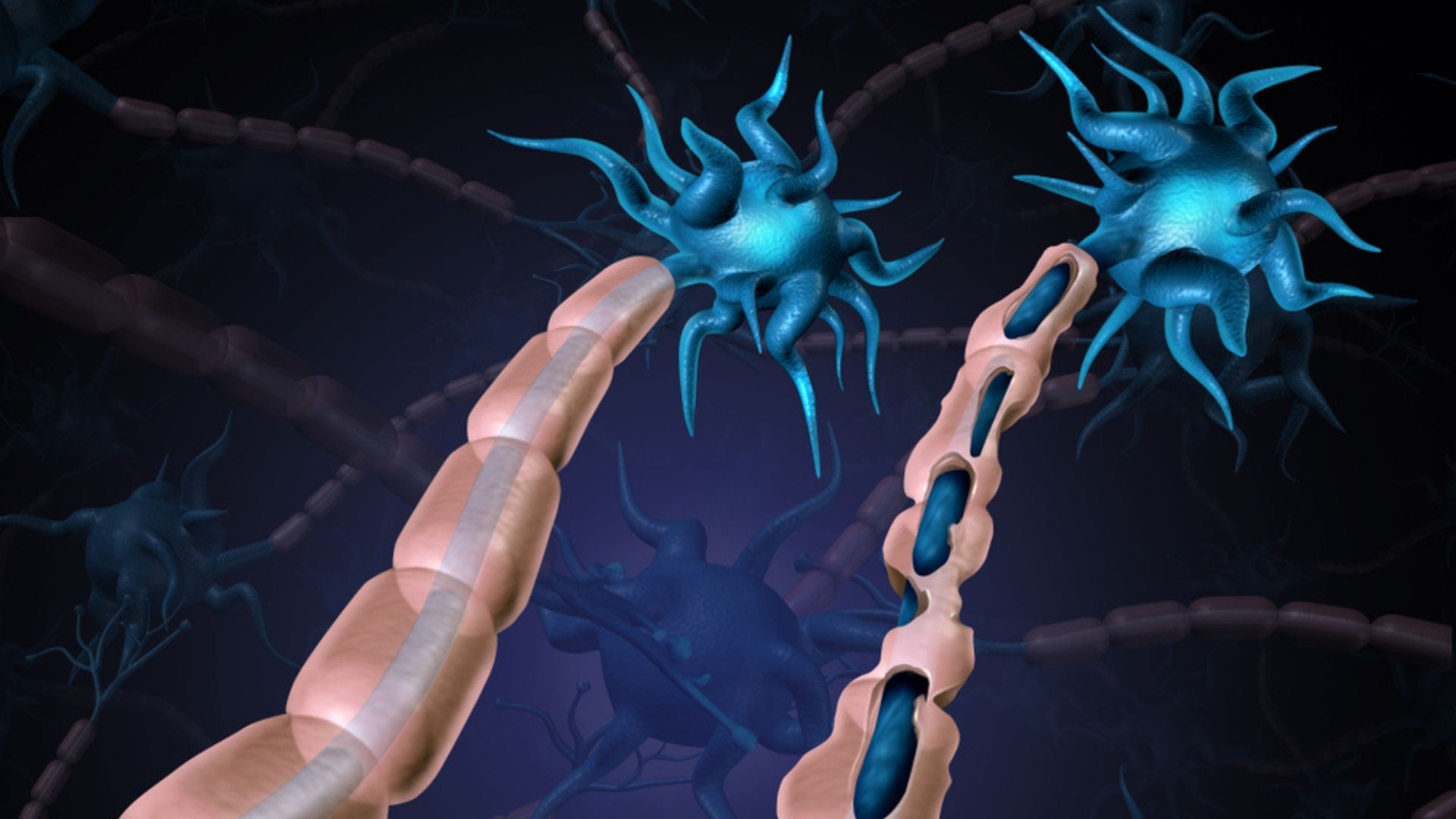
The peripheral nervous system is a network of motor and sensory nerves that connect the brain and spinal cord to the rest of the body. The system is the pathway telling your muscles to move. It also returns information about touch, temperature and pressure to the spinal cord and brain. Damage to the peripheral nerves can result in a host of symptoms, including numbness, cramps or loss of movement. In this article we will look at the different classifications of this type of injury as well as peripheral nerve injury treatment. Causes of Peripheral Nerve Injury Damage to the [...]
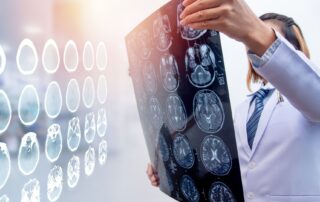

Effects of Brain Injury: How Location Impacts Outcome
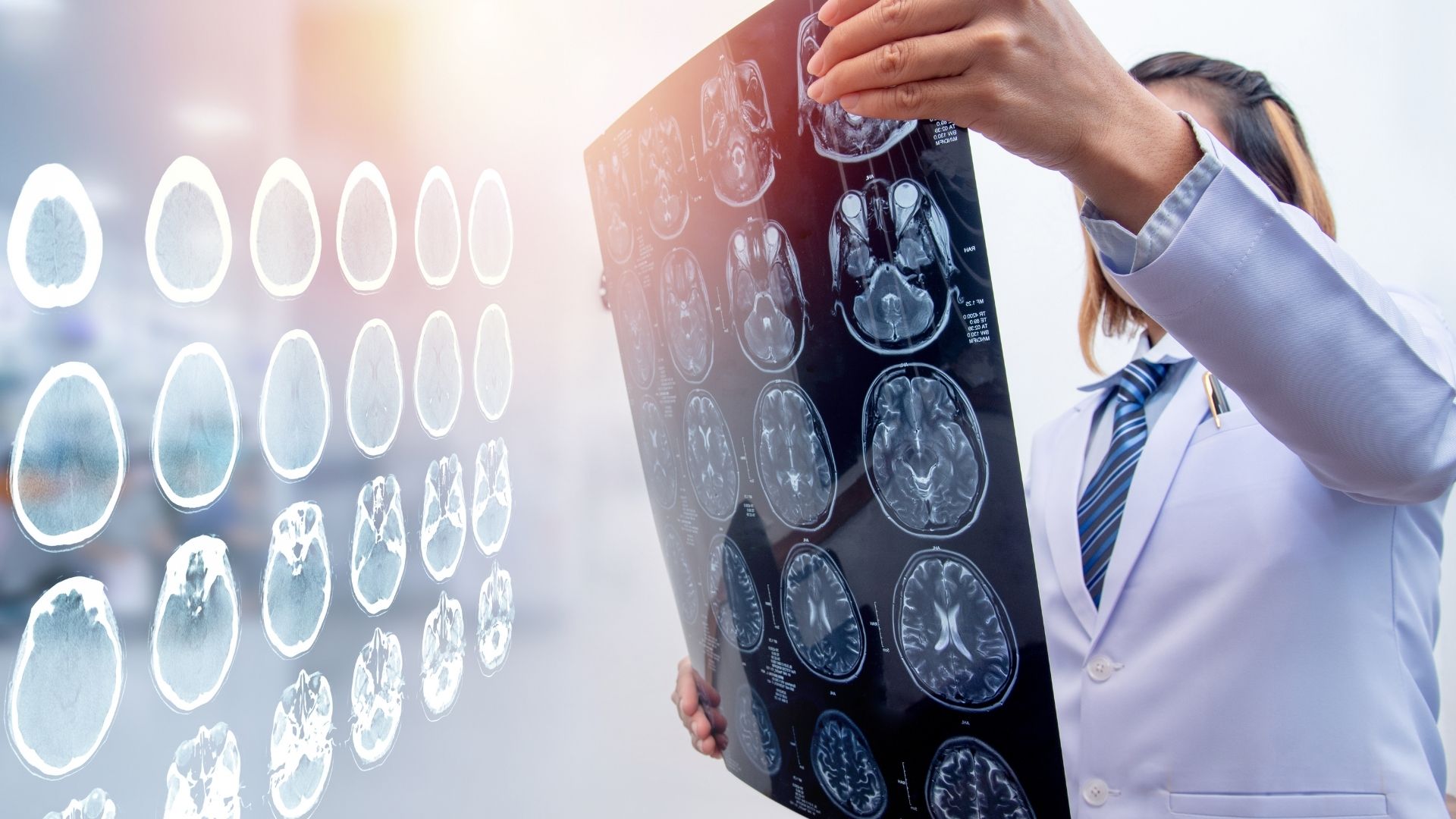
The effects of brain injury are largely dependent on the location and severity of the trauma. The brain is a complex organ composed of three main parts; the cerebrum, the cerebellum and the brainstem. These areas communicate via billions of neurons to control many of the body’s functions, like movement, speech, thoughts, and emotions. In this article, we look at the structure and function of these parts of the brain and the symptoms that may result due to injury. Table of Contents: Cerebrum anatomy and function Cerebellum anatomy, function and injury Brain stem anatomy, function and injury Neuroplasticity and neurological [...]