
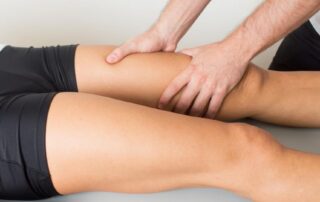
Soft Tissue Release
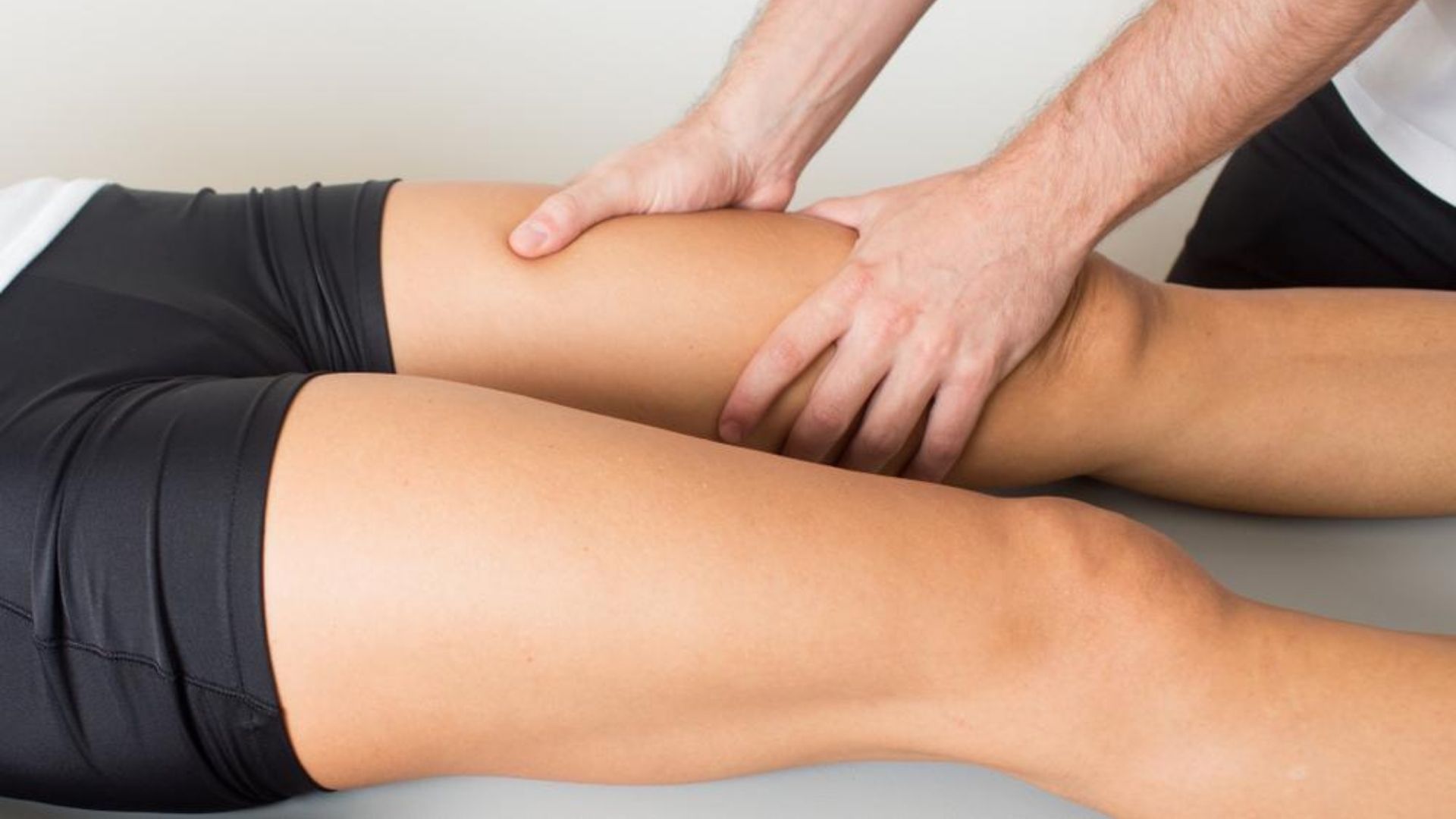
Soft tissue release (STR) is a hands-on manual therapy technique used to assess and treat the tissue of the body. The soft tissues of the body (muscle, tendon, fascia and ligaments) are prone to acute and chronic injury, which leads to swelling, adhesions and fibrosis (scarring) of the tissue. This type of injury often results in pain, loss of mobility, strength, and function. Soft tissue release targets specific areas of tension within an individual muscle with the aim of removing scar tissue and adhesion to relieve muscular tension and pain. Soft tissue release can be performed by physiotherapists, massage therapists, [...]

Children’s Ergonomics: Tips for Setting Up a Remote Learning Workstation
With the new school year starting amidst a coronavirus pandemic, many children will be returning to exclusively remote learning or mixed models. This presents families with many new challenges, including trying to create a good ergonomic set up for prolonged hours of school work in the home environment. Children's ergonomics recommendations tend to be similar to adults. The only difference is finding equipment that is appropriate for their smaller size, and that also accommodates them as they continue to grow throughout the school year. Promoting good habits and a proper sitting ergonomics for children completing virtual coursework will help to [...]
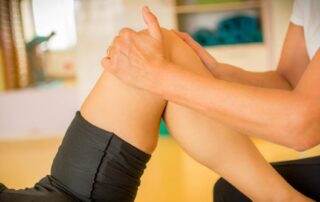
Manual Therapy | Techniques & Outcomes
Manual therapy is a term used in various forms of therapy to describe any hands-on treatment. While individuals may have their own perception of what manual therapy is, it is in fact a broad term that encompasses many forms of treatment. In this article, we will be referring to manual therapy specifically performed by physical therapists and discussing the techniques and the outcomes of manual therapy. What is Manual Therapy? There are many definitions and misconceptions about what manual therapy really is. The truest definition of manual therapy is any form of hands-on treatment used by a therapist. When used [...]
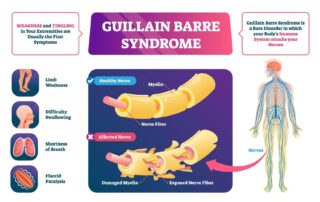
Guillain-Barré Syndrome Treatment
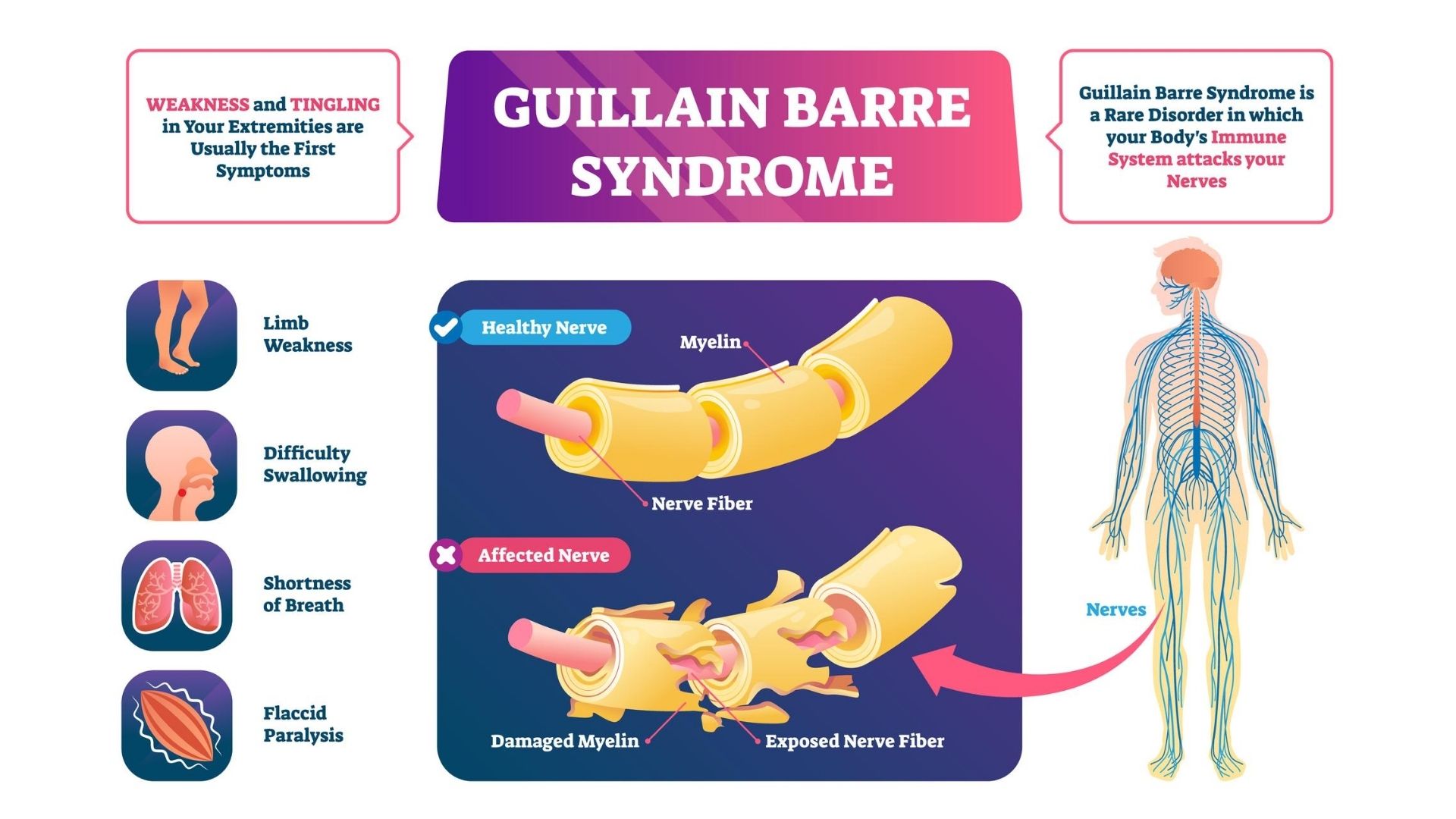
Guillain-Barré syndrome is an auto-immune disease that is often triggered post-infection. It has been linked to gastrointestinal and respiratory infections, as well as influenza viruses and vaccines. The disease attacks the nervous system causing weakness and tingling that can lead to paralysis. Physiotherapy treatment plays a large role in the treatment of symptoms and sequelae of Guillain-Barré syndrome. Here we take a closer look at the causes, signs, symptoms and treatment. What is Guillain-Barré Syndrome? Guillain-Barré syndrome is a rare auto-immune disease that triggers the immune system of the body to attack its own nervous system, specifically the peripheral nerves1 [...]

Brachial Plexus Injury Treatment
A brachial plexus injury, although not very common, can occur from sports contact, motor vehicle accidents and even child birth. In severe cases, symptoms can include paralysis of the upper extremities and take months to recover and rehabilitate. In this article, we will help to provide a summary of the variety of causes and the associated symptoms for a brachial plexus injury. We will also discuss how a physiotherapy treatment approach can help resolve and manage symptoms associated with these injuries. What is the Brachial Plexus? The five nerve roots (anterior rami) exiting from C5 - T1 of the cervical [...]
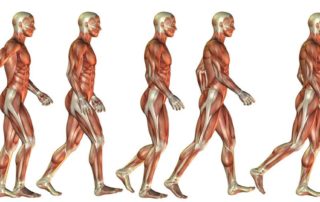


Normal Movement: Performing Tasks Optimally After Neurological Injury
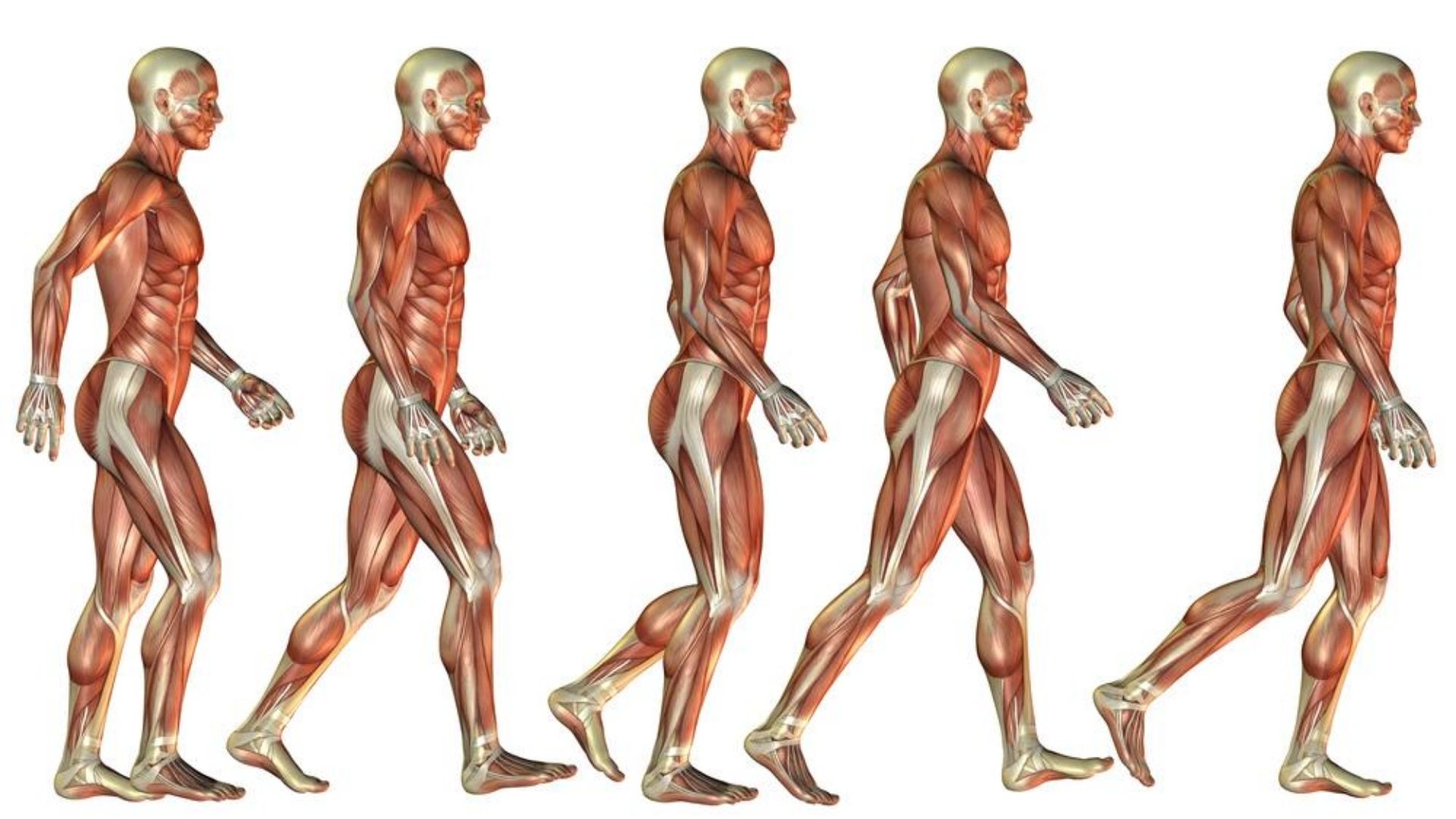
Most of us do not have to put any thought into completing everyday tasks, like walking, grabbing a cup or climbing stairs. These routine actions are an unconscious and often automatic occurrence that we take for granted. A neurological condition, like a stroke or spinal cord injury can affect a person’s ability to perform a task optimally, what we often call in physiotherapy normal movement. Human movement is, in fact, very complex. It is a process by which the nervous system organizes sensory information from the environment and processes it into muscular activity based on the goal or task. Even [...]