
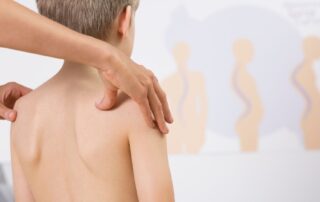
What are the Signs of Scoliosis in Kids?
Pediatric scoliosis is a condition where the spine abnormally curves sideways or rotates affecting the normal curvature of the spine. The condition can range from mild to severe leading to a variety of symptoms depending on the individual presentation. Most forms of scoliosis are treated with nonsurgical management with early detection being key in positive long-term outcomes. In this article we will look at the types of pediatric scoliosis, the common signs of scoliosis and the different treatment options available. Pediatric Scoliosis Causes Idiopathic scoliosis is the most common form of pediatric scoliosis (85%). With this type the cause is [...]
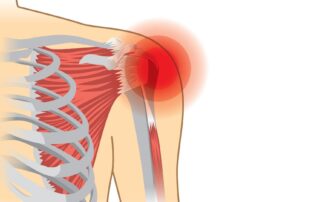
Rotator Cuff Tear Symptoms, Causes and Treatment
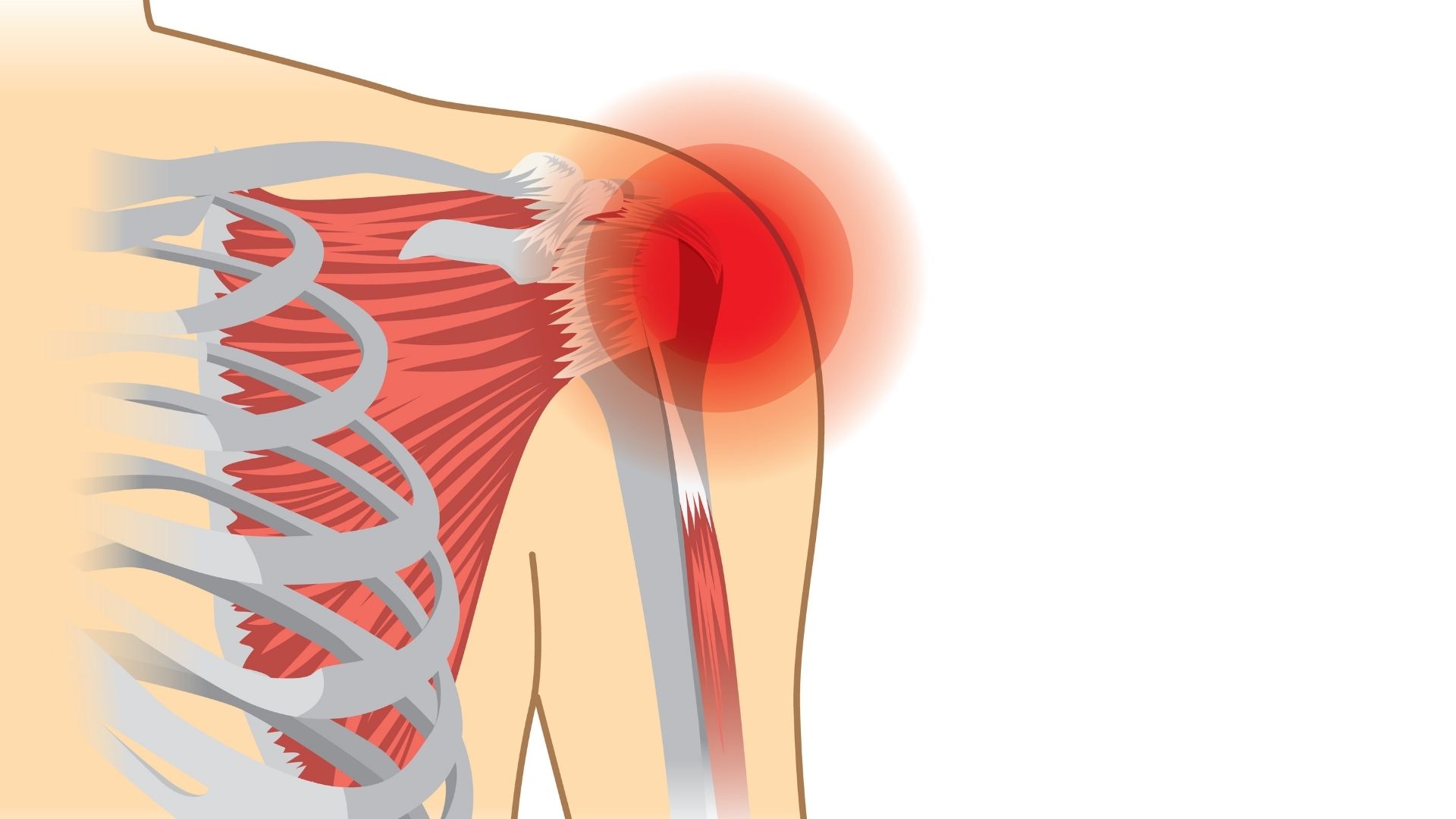
Rotator cuff tear injuries are one of the most common types of shoulder injury. They can occur both acutely and from chronic stresses to the shoulder. Significant pain and disability in the shoulder joint can result from these types of injuries. In this article, we look at the shoulder anatomy, rotator cuff tear symptoms, causes and treatment. Rotator Cuff Muscles The rotator cuff is comprised of four smaller muscles in the shoulder: supraspinatus, infraspinatus, teres minor, and subscapularis. Each muscle plays its part in ensuring the head of the humerus (arm bone) is centered in the socket of the [...]
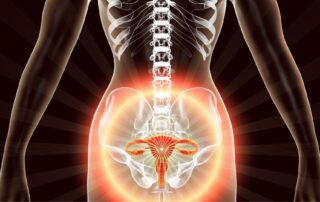
Prolapsed Uterus Treatment
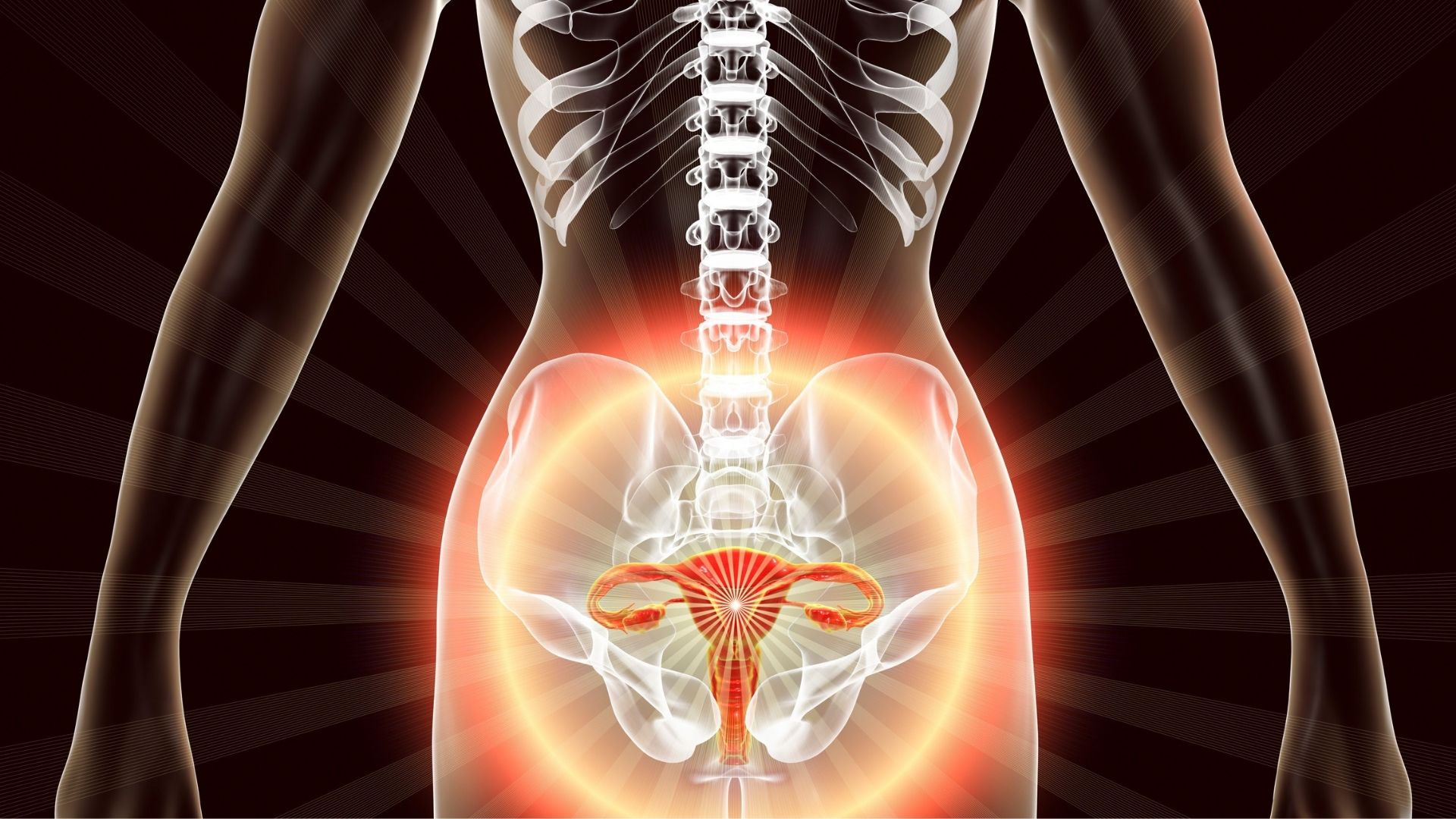
Uterine prolapse is a common condition that occurs as women age. Weakening of the structures surrounding the uterus cause the uterus to drop into the vagina. It is estimated that nearly half of all women over 50 have a prolapsed uterus.[i] In this article we will look at the risk factors involved, symptoms, and uterine prolapse treatment and prevention. What is Uterine Prolapse? A uterine prolapse is a herniation of the uterus from its normal position into the vaginal canal. This occurs due to a weakening of the structures surrounding the uterus. The severity of the herniation can be categorized [...]

Congenital Torticollis Treatment
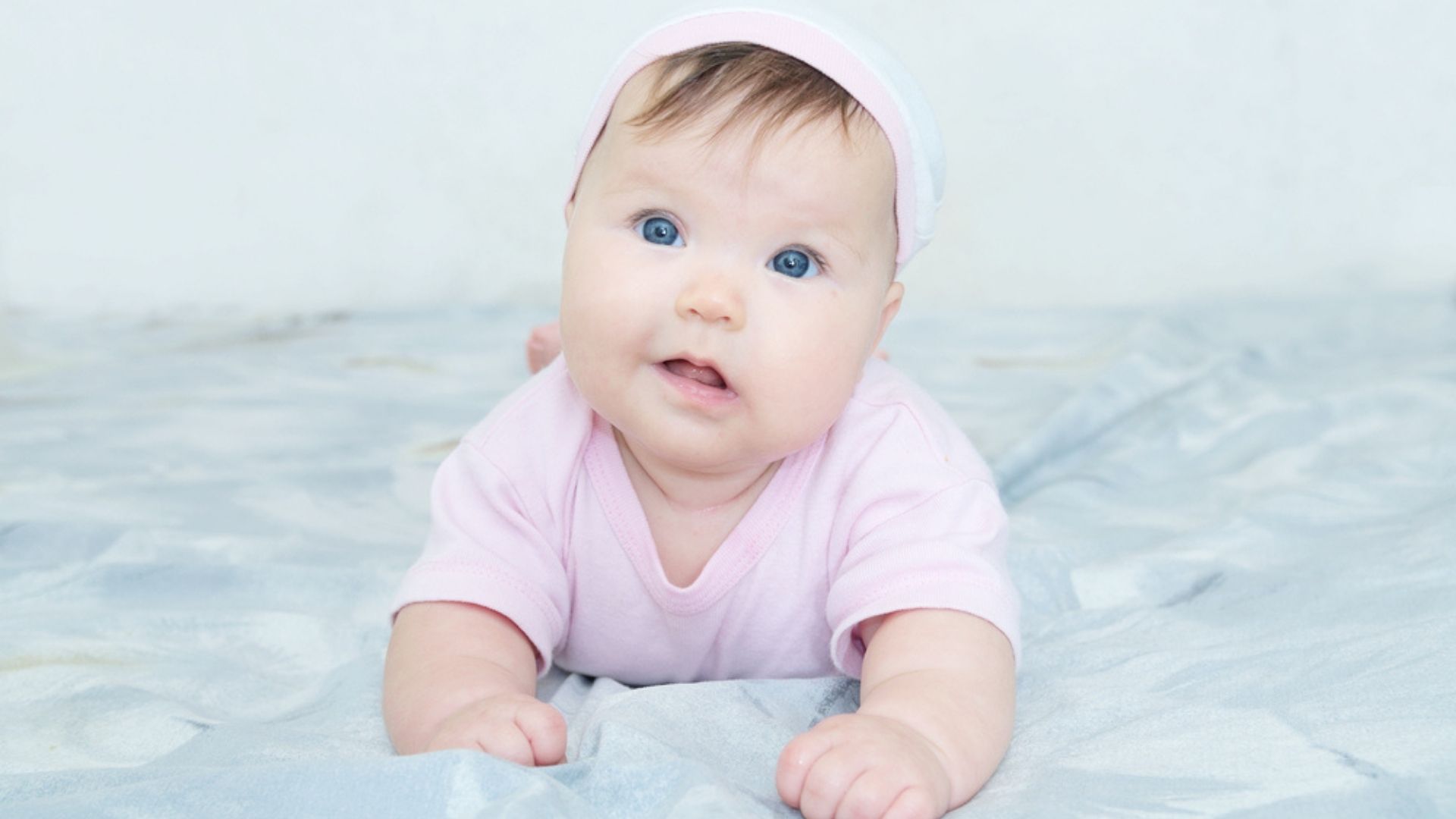
A child with torticollis (tightness in one side of the neck) will present with a head turned in one direction, and tipped in the opposite direction. Torticollis can lead to flattening on one side of the skull and issues with motor skills development. The estimated incidence of congenital muscular torticollis is <1% of all live births.[i] In this article we will look at why this condition occurs, complications that can arise, how it is diagnosed and pediatric torticollis treatment options. What is Congenital Torticollis? Congenital torticollis (congenital muscular torticollis) is the tightness of the sternocleidomastoid muscle on one side [...]
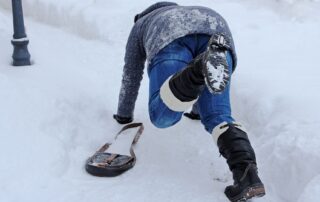
FOOSH Injury Rehabilitation: Fall Onto Outstretched Hand Injuries
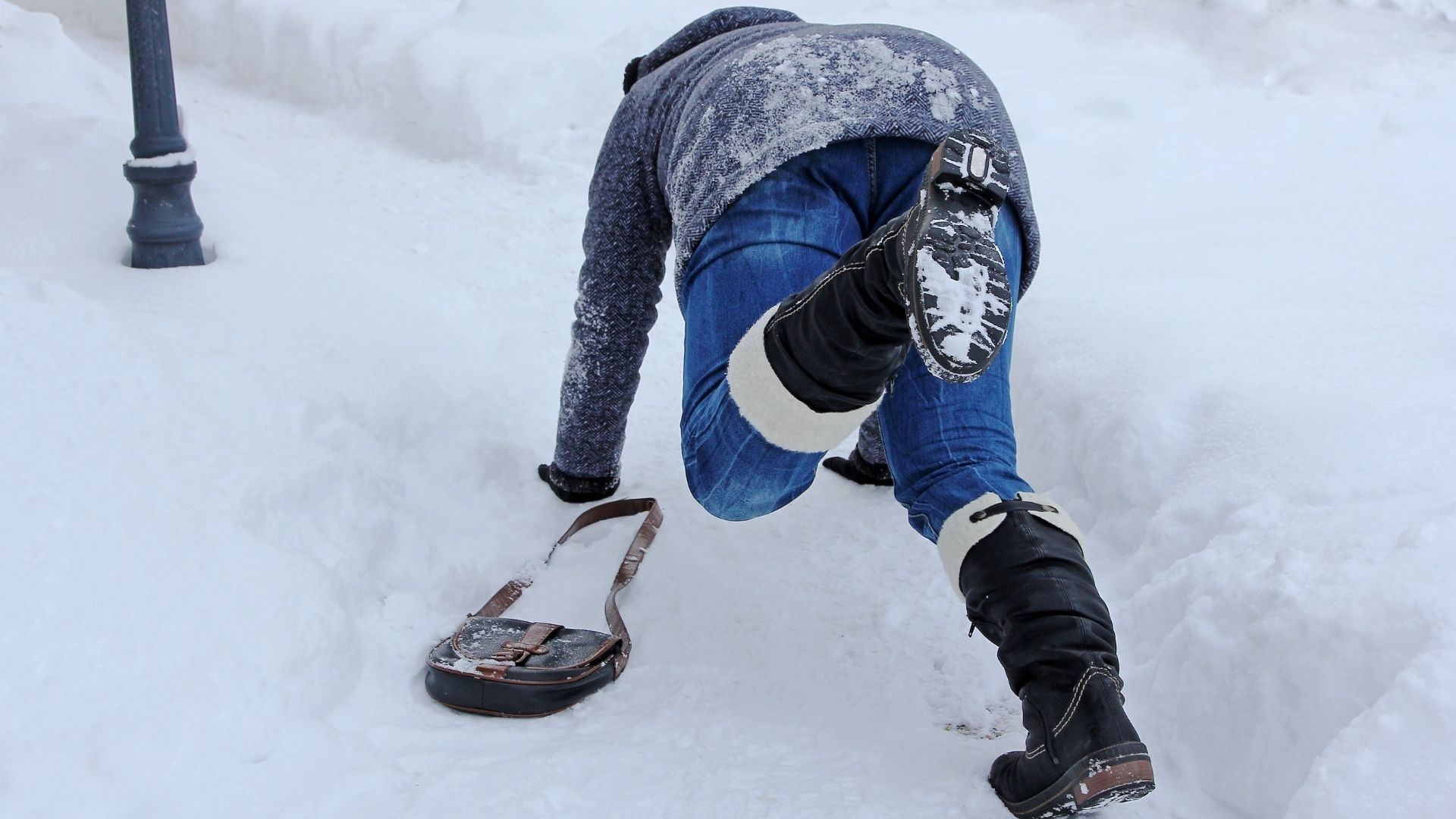
When you are falling, your automatic reaction is to straighten your arms to “cushion” or “break” the fall. This instinct serves as a way to protect the head and face from making contact with the ground. However, with this type of reaction, a fall onto outstretched hand (FOOSH) injury to the wrist or hand may occur.[i] Falls are the leading cause of injury for senior citizens. More than 20% of seniors in Canada experience one or more falls each year. [ii] In those who are injured, 8% of the injuries are related to the wrist, 4% to the hand, [...]



Shin Splints Physiotherapy
Shin splints, also known as medial tibial stress syndrome (MTSS), are a common exercise-induced condition that affects the lower leg. It is one of the most common running-related musculoskeletal injuries. Studies report incidence rates ranging from 13.6 to 20%, and a prevalence rate of 9.5%.[i] In this article, we describe the structure and function of the areas affected by shin splints. We also discuss the main causes, signs and symptoms associated with this condition, and common treatment options. Learn how a shin splints physiotherapy program can help to address the physical impairments and activity limitations from orthopedic injury. Table of [...]