Soccer has long been one of the world’s most popular sports, offering incredible physical, mental, and social benefits for athletes of all ages. From young children just learning the game to competitive adult players, soccer promotes cardiovascular fitness, teamwork, and coordination.
As the sport has gained significant popularity and participation in North America over the past decade, the incidences of concussion in soccer have also increased. With the hosting of the FIFA World Cup in 2026 set to ignite even more passion towards the sport, it is even more important that players and parents understand the risks and how to prevent and recover from injuries.
The encouraging news is that our understanding of concussion has changed dramatically over the past decade. Thanks to ongoing research, we now have evidence-based strategies that help reduce soccer concussion risk, recognize injuries earlier, and support a faster, safer recovery.
In our latest article, we discuss how concussions occur in soccer, the symptoms of a concussion and when they appear following an injury to the head and how to recognize a concussion early. We’ll also discuss soccer concussion prevention strategies and how to manage symptoms and return to sport safely.
Table of Contents
- What is a soccer concussion?
- Symptoms of a soccer concussion
- Recognizing a concussion early
- Soccer concussion prevention strategies
- Concussion management
- How physiotherapy helps after soccer concussion
- Return to soccer safely
- Conclusion
What Is a Soccer Concussion?
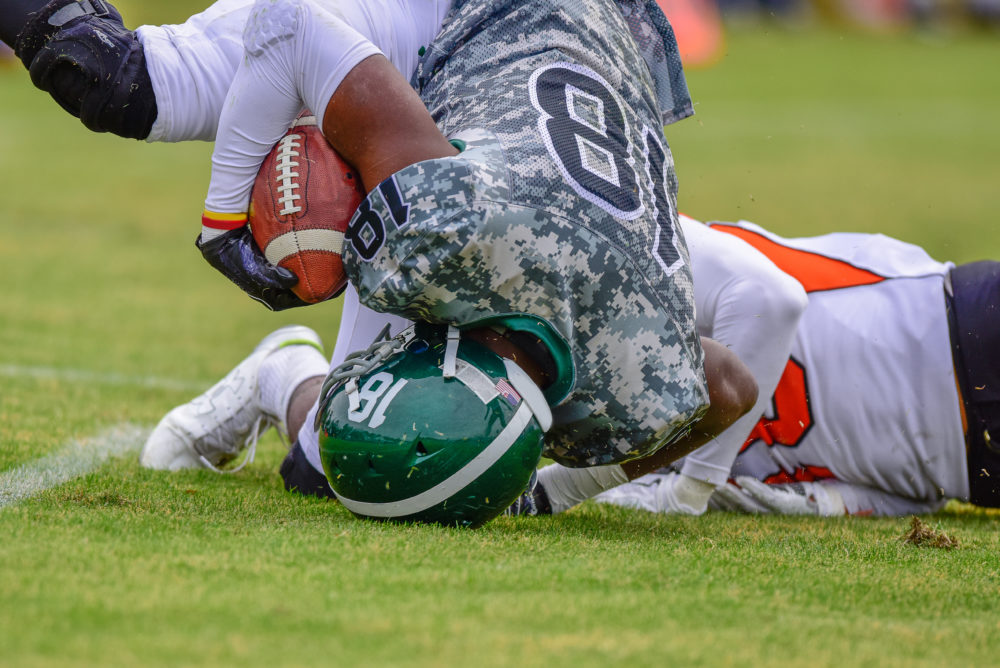
A concussion is a mild traumatic brain injury caused by biomechanical forces transmitted to the brain following a direct blow to the head, face, neck, or even the body. In soccer, the majority of concussions stem from player-to-player contact (like head-to-head, elbow, or shoulder impacts), and the majority of concussions resulting in hospitalization occurred because of head-to-ground contact.[i]
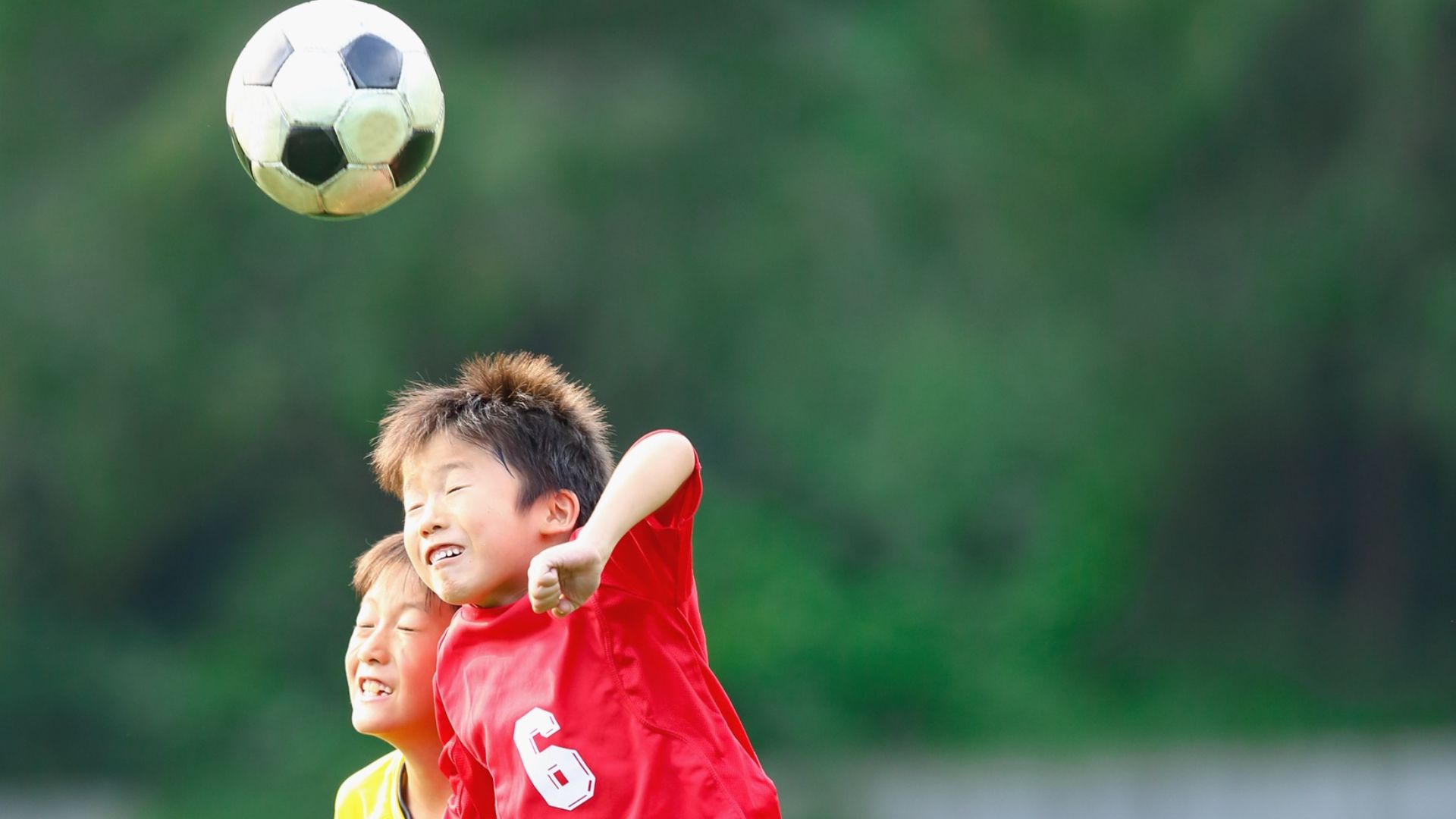
Although, fewer concussions result from intentionally heading the ball, direct player-to-ball contact remains a highly studied area, particularly in youth categories.i Researchers continue to study whether repeated heading over many years may contribute to cumulative brain changes, particularly in athletes with high lifetime exposure. Many countries have limited or completely banned heading in younger athletes.
Symptoms of a Concussion
Symptoms may appear immediately or develop over the next several hours and commonly include:
- Headache
- Dizziness
- Balance problems
- Nausea
- Blurred vision
- Sensitivity to light or noise
- Difficulty concentrating
- Memory problems
- Feeling “foggy” or slowed down
- Fatigue
- Irritability or mood changes
- Sleep disturbances
Every concussion is different. Symptoms, recovery time, and rehabilitation needs vary from athlete to athlete.
Recognizing a Concussion Early
One of the biggest misconceptions encountered is that athletes should “shake it off” or continue playing if symptoms seem mild.
The Amsterdam Consensus Statement on Concussion in Sport was based on an international panel of experts and scientists in 2022. The core protocol requires immediate removal from play for evaluation, followed by 24-48 hours of relative cognitive and physical rest (limiting screens/reading), and a gradual, symptom-limited return-to-learn and return-to-play progression.
Any athlete suspected of having a concussion should be removed from play immediately and should not return the same day. Delaying assessment or continuing to play can increase the risk of prolonged symptoms and additional injury.
Soccer Concussion Prevention Strategies
Although no strategy can eliminate concussion risk entirely, several evidence-based approaches can significantly reduce the likelihood of injury.ii
1. Strengthen the Neck
Research suggests stronger neck muscles may reduce head acceleration during impacts. Incorporating neck strengthening into regular conditioning may help lessen the forces transmitted to the brain.iii
2. Learn Proper Heading Technique
Teaching age-appropriate heading skills helps players better control body position, timing, and ball contact. Many youth organizations now delay heading instruction until children reach an appropriate developmental age.
3. Improve Communication
Simple communication—calling for the ball and maintaining field awareness—can prevent many unnecessary player collisions.
4. Encourage Fair Play
Following the rules, avoiding dangerous tackles, and discouraging elbow-to-head contact all contribute to a safer playing environment.
5. Build Balance and Neuromuscular Control
Balance training, agility exercises, and neuromuscular warm-up programs improve body control and may reduce falls and high-risk collisions while also decreasing overall injury rates.
Concussion Management
One of the most important updates from recent concussion research is that complete rest is no longer recommended beyond the initial 24–48 hours.iv
Instead, current best practice encourages:
- Relative physical and cognitive rest during the first one to two days
- Gradual return to normal daily activities
- Early, symptom-limited aerobic exercise
- Progressive rehabilitation based on symptoms
- Individualized return-to-school, work, and sport plans
Studies consistently show that carefully prescribed exercise and active rehabilitation can shorten recovery compared with prolonged inactivity.v
How Physiotherapy Helps After a Soccer Concussion
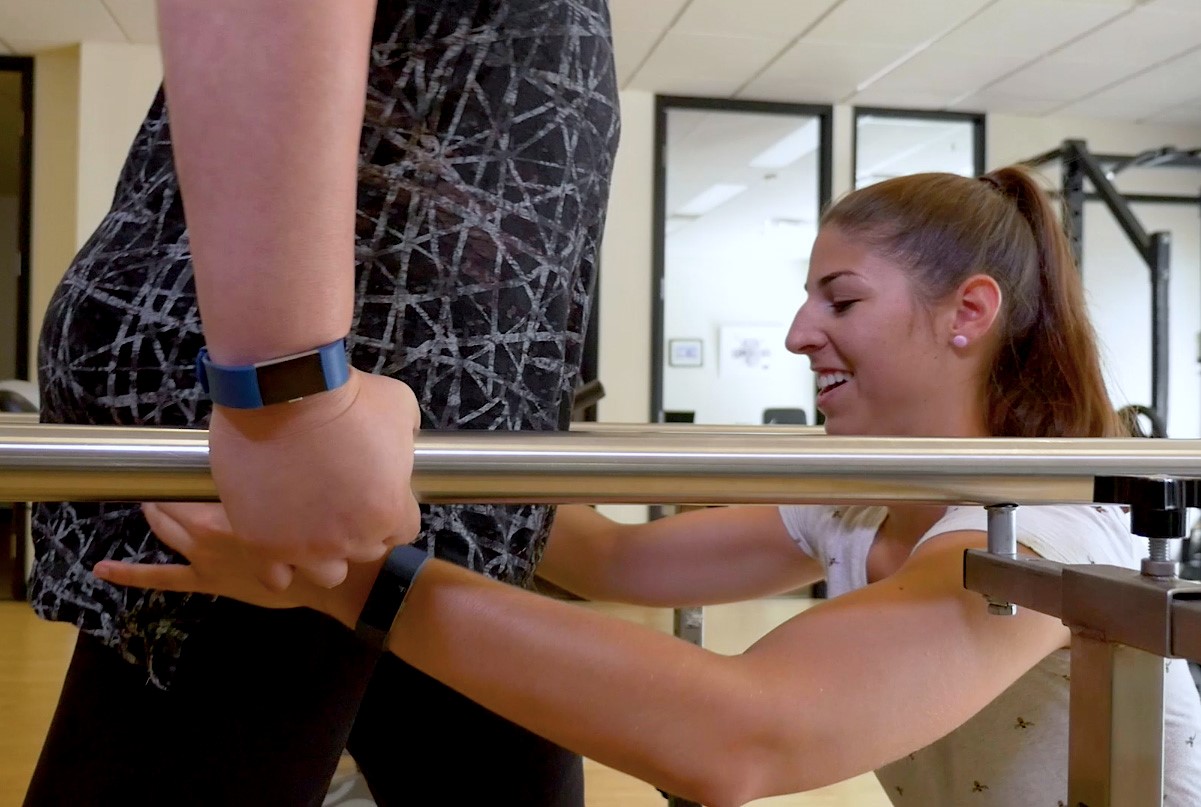
A comprehensive concussion assessment looks beyond headaches alone and evaluates several body systems that may contribute to persistent symptoms.
Treatment may include:
- Vestibular rehabilitation for dizziness and balance problems
- Cervical spine assessment and treatment for associated neck injuries
- Vision and eye movement rehabilitation
- Balance retraining
- Graded aerobic exercise programs
- Education on pacing activities and symptom management
- Individualized return-to-sport progression
Because no two concussions are identical, rehabilitation should always be tailored to the individual’s symptoms, goals, and sport demands.
Returning to Soccer Safely
Returning to play too early increases the risk of re-injury and prolonged recovery. Current international recommendations support a stepwise return-to-sport progression, where athletes advance only if symptoms remain stable at each stage.vi
Typical progression includes:
- Regular daily activities
- Light aerobic exercise
- Soccer-specific individual drills
- Non-contact team practice
- Full-contact practice after medical clearance
- Return to competition
Progression should never be rushed, and each athlete’s recovery timeline will be different.
Conclusion
Soccer is a lifelong sport that offers tremendous physical and mental health benefits. While concussions remain an important concern, advances in research have transformed how we prevent, recognize, and manage these injuries.
Physiotherapist do not simply to help athletes return to soccer—it’s to ensure they return safely, confidently, and performing at their best. Through early recognition, evidence-based rehabilitation, and individualized return-to-play planning, most athletes make a full recovery and can continue enjoying the game they love.
If you or your child has experienced a soccer-related concussion, don’t ignore the symptoms. Early assessment and appropriate physiotherapy can make a meaningful difference in recovery and help you return to sport safely.
References
[i] Chatha K, Pruis T, Peaguda CF, Guo E, Koen S, Malone D, Sabesan V. Concussions in Soccer: An Epidemiological Analysis in the Pediatric Population. Orthop J Sports Med. 2020 Oct 21;8(10):2325967120951077. doi: 10.1177/2325967120951077. PMID: 33173798; PMCID: PMC7588758.
[ii] Indharty RS, Siahaan AMP, Rosarina, Susanto M, Tandean S, Risfandi M. Prevention of sports-related concussion in soccer: a comprehensive review of the literature. Ann Med Surg (Lond). 2023 Mar 24;85(3):365-373. doi: 10.1097/MS9.0000000000000268. PMID: 37008175; PMCID: PMC10060082.
[iii] Collins CL, Fletcher EN, Fields SK, Kluchurosky L, Rohrkemper MK, Comstock RD, Cantu RC. Neck strength: a protective factor reducing risk for concussion in high school sports. J Prim Prev. 2014 Oct;35(5):309-19. doi: 10.1007/s10935-014-0355-2. PMID: 24930131.
[v] Robertson MK, McLoughlin J. The role of the physiotherapist in concussion. S Afr J Physiother. 2024 Apr 30;80(1):2013. doi: 10.4102/sajp.v80i1.2013. PMID: 38725965; PMCID: PMC11079349.
Written by