For many individuals, arthritis joint pain and stiffness create hesitation around exercise—particularly activities perceived as “high impact.” From a physiotherapy perspective, low-impact exercise plays a central role in maintaining joint health, function, and long-term independence for people living with arthritis.
Low-impact does not mean low value. When appropriately prescribed, low-impact exercise provides sufficient mechanical stress to support joint and muscle health while minimizing symptom exacerbation.
Arthritis is a leading cause of pain, mobility limitation, and reduced participation in daily activities, impacting 1 in 5 Canadians.[i] At Propel Physiotherapy, we’re on a mission to help people with arthritis stay active with arthritis so they can improve their mobility and function and increase their quality of life.
In this article, we discuss why low impact exercise matters for people with arthritis, review proven low-impact exercise options and the role that physiotherapy can play in developing a tailored program that suits your individual needs.
Table of Contents:
- Why low-impact exercise matters with arthritis
- Evidence-supported low-impact exercise options
- The physiotherapist’s role in arthritis management
- Conclusion
Why Low-Impact Exercise Matters with Arthritis
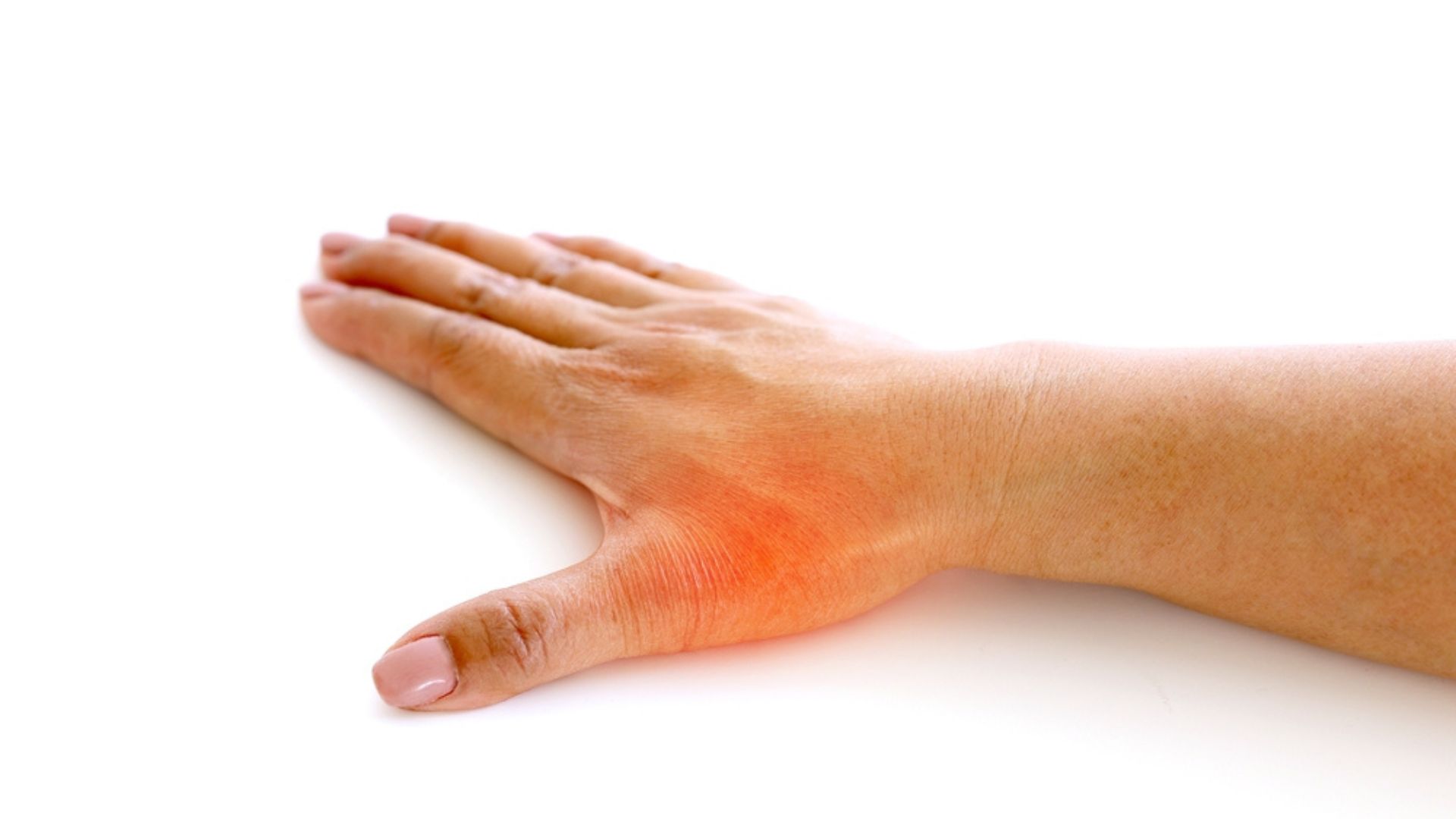
Arthritis is associated with joint sensitivity, reduced load tolerance, and altered movement patterns. Research consistently demonstrates that regular physical activity improves pain and function without accelerating joint degeneration.
Numerous systematic reviews have found that in adults with hip and/or knee osteoarthritis, physical activity helps reduce pain and improve function and quality of life.[ii]
Low-impact exercise is particularly effective because it:
- Reduces excessive joint compression and shear forces that can occur with high impact activities
- Supports joint health (improves cartilage and inhibits inflammatory process)[iii]
- Improves muscle mass and load support (leading to less joint stress)
- Improves joint flexibility
- Enhances cardiovascular health without provoking flares
Evidence-Supported Low-Impact Osteoarthritis Physical Exercise
There are many low impact activities that can be adapted to individual needs, preferences, and joint involvement.
- Walking: Walking remains one of the most accessible and well-studied low-impact exercises. Regular walking improves pain, mobility, cardiovascular health, and overall function in people with arthritis. Some studies suggest that walking can actually slow down the rate of joint space narrowing, a culprit of arthritis disease progression.[iv] Speed, distance, terrain, and walking aids can all be adjusted to manage load.
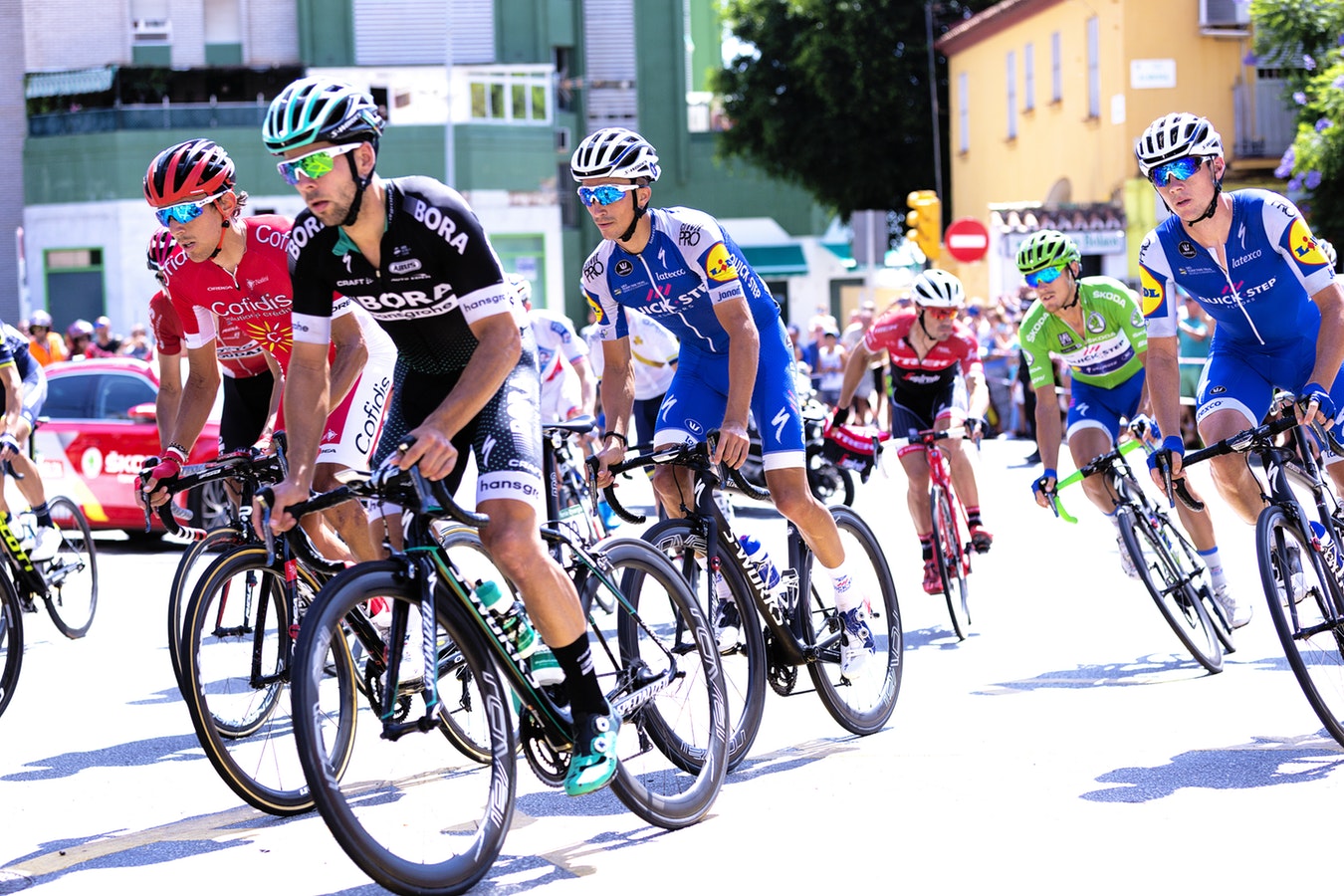
- Cycling: Stationary or outdoor cycling provides cardiovascular benefits while minimizing joint compression, particularly at the knees and hips. Cycling also promotes joint range of motion and muscular endurance.
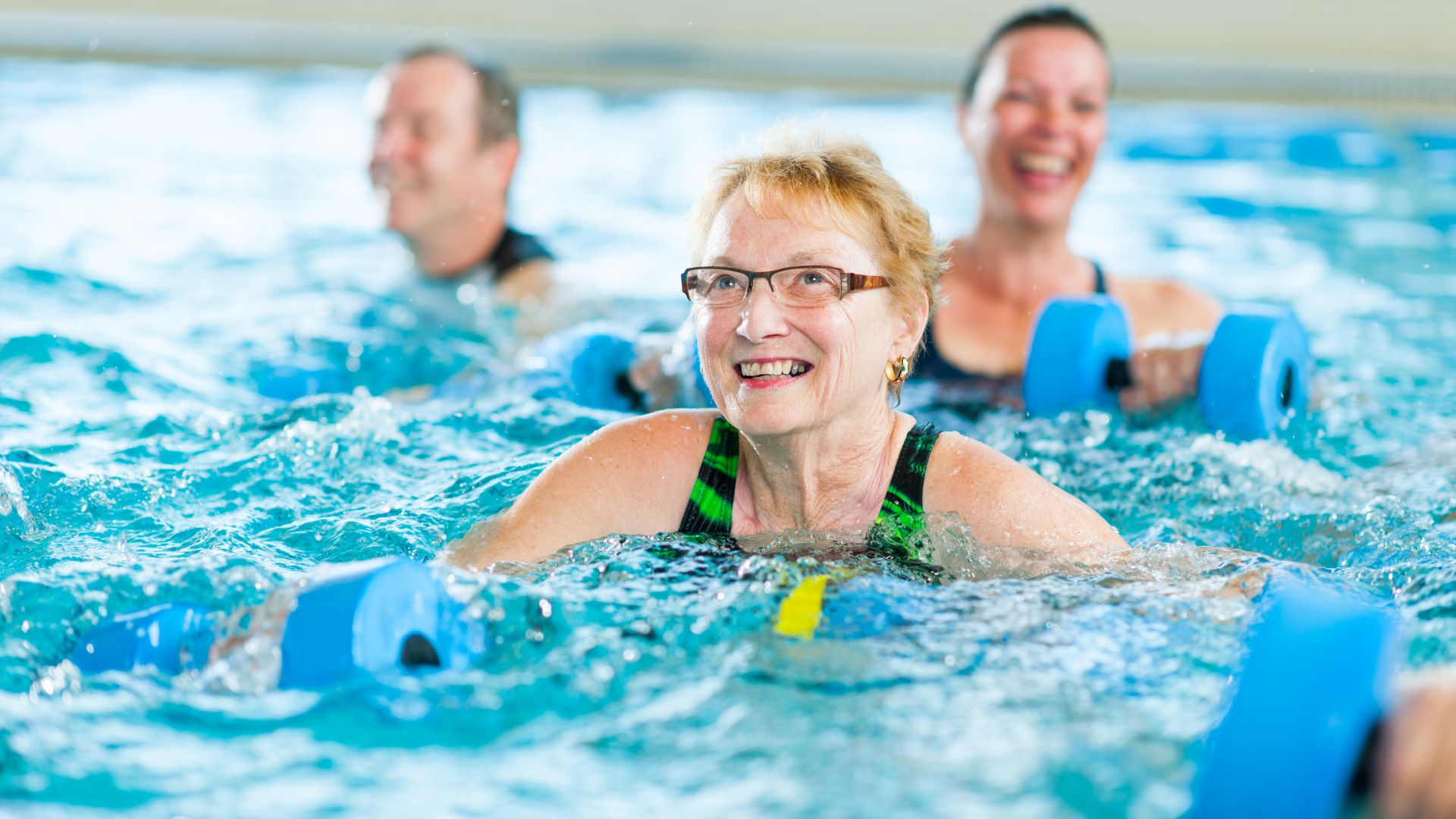
- Aquatic Exercise: Water-based exercise reduces joint loading through buoyancy while providing resistance for strength and cardiovascular training. Aquatic programs are especially beneficial during flares, periods of high pain, or for individuals with significant joint involvement.
- Strength Training: Slow, controlled resistance exercises using body weight, resistance bands, or light weights are strongly supported by research. Strengthening surrounding musculature reduces joint stress and improves functional capacity.
- Mind-Body and Movement-Based Exercise: Practices such as yoga, Pilates, and tai chi—can improve pain, balance, flexibility, and self-efficacy in people with arthritis. These approaches also address breathing, postural control, and nervous system regulation.
The Physiotherapist’s Role in Arthritis Management
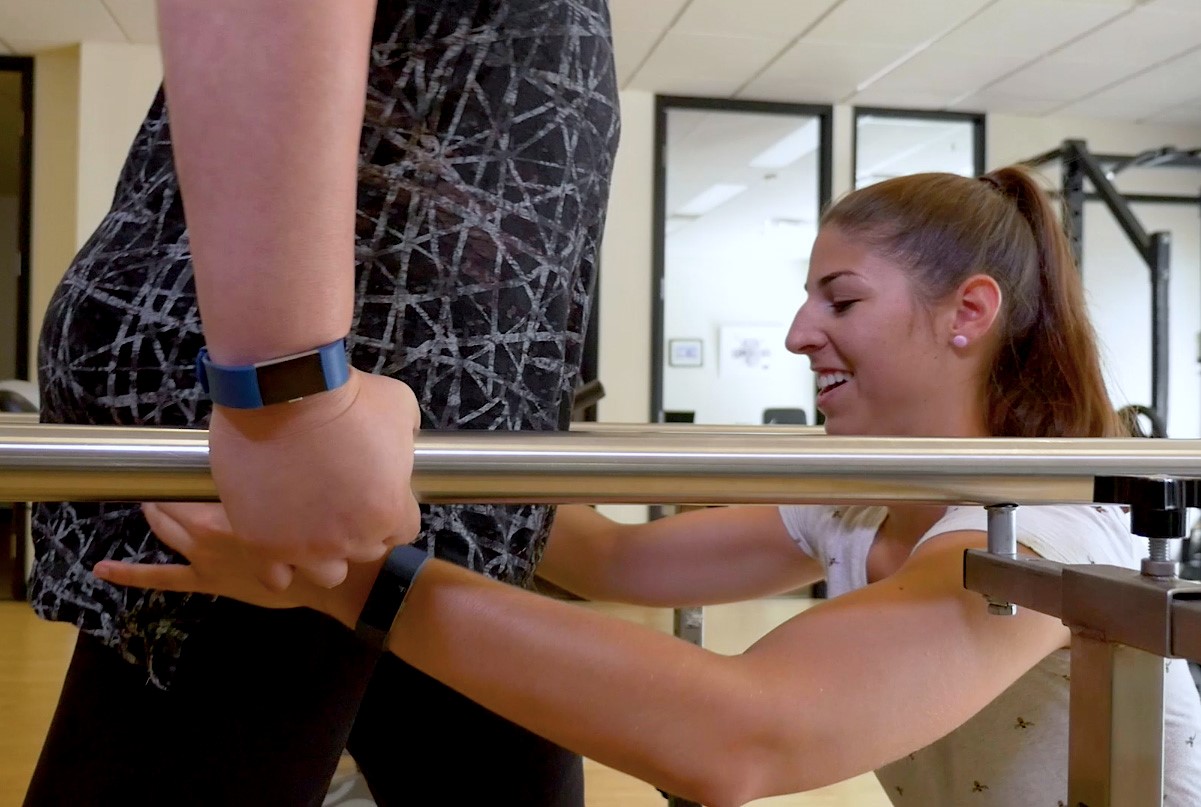
Physiotherapists play a key role in identifying which low-impact exercises are most appropriate, how they should be progressed, and how they can be integrated into daily life.
Physiotherapy support includes:
- Individualized assessment of joint biomechanics and movement patterns
- Education on pain and flare management
- Exercise prescription and modification to preserve valued activities
- Long-term strategies for self-management
Conclusion
Low-impact exercise is a foundational component of evidence-based arthritis care. When appropriately prescribed and progressed, it reduces pain, improves function, and supports long-term participation in meaningful activity.
Through individualized assessment, education, and guided movement, physiotherapists support joint protection, maintain mobility, build strength, and foster confidence in daily activity. Physiotherapy also offers strategies for pacing, pain management, and adapting meaningful tasks so individuals can stay engaged in work, family, and recreation. Arthritis may be a lifelong condition, but with the right support and proactive care, movement is possible, helping clients maintain their quality of life.
References
[i] What is arthritis? The Arthritis Society Canada
[ii] Katie F. Huffman, Kirsten R. Ambrose, Amanda E. Nelson, Kelli D. Allen, Yvonne M. Golightly and Leigh F. Callahan, The Critical Role of Physical Activity and Weight Management in Knee and Hip Osteoarthritis: A Narrative Review, The Journal of Rheumatology March 2024, 51 (3) 224-233; DOI: https://doi.org/10.3899/jrheum.2023-0819
[iii] Kong H, Wang XQ, Zhang XA. Exercise for Osteoarthritis: A Literature Review of Pathology and Mechanism. Front Aging Neurosci. 2022 May 3;14:854026. doi: 10.3389/fnagi.2022.854026. PMID: 35592699; PMCID: PMC9110817.
[iv] Grace H. Lo, Surabhi Vinod, Michael J. Richard, Matthew S. Harkey, Timothy E. McAlindon, Andrea M. Kriska, Bonny Rockette-Wagner, Charles B. Eaton, Marc C. Hochberg, Rebecca D. Jackson, C. Kent Kwoh, Michael C. Nevitt, Jeffrey B. Driban, Association Between Walking for Exercise and Symptomatic and Structural Progression in Individuals With Knee Osteoarthritis: Data From the Osteoarthritis Initiative Cohort, Arthritis & Rheumatology: An Official Journal of the American College of Rheumatology June 2022, https://doi.org/10.1002/art.42241
Written by