
Ménière’s disease is an inner ear (vestibular system) disorder that affects approximately 1 in every 1000 Canadians.[i] It can be difficult to detect, and its symptoms, including imbalance, nausea and dizziness, can mimic the presentation of other diseases. While Ménière’s can be disabling, many forms of therapy, including physical therapy can help to mitigate the signs of the disease.
In this article, we discuss what causes Ménière’s disease symptoms and how it impacts the lives of those affected. We also examine how physical therapy can help and demonstrate four exercises that can help manage Ménière’s disease-related symptoms.
Table of Contents
- What is Ménière’s disease?
- What Causes Ménière’s Disease Symptoms?
- What is the Outlook for Someone with Ménière’s Disease?
- Physical Therapy and Ménière’s Disease
- 4 Key Exercises for Managing Ménière’s-Related Dizziness & Imbalance
- Conclusion
What is Ménière’s Disease?
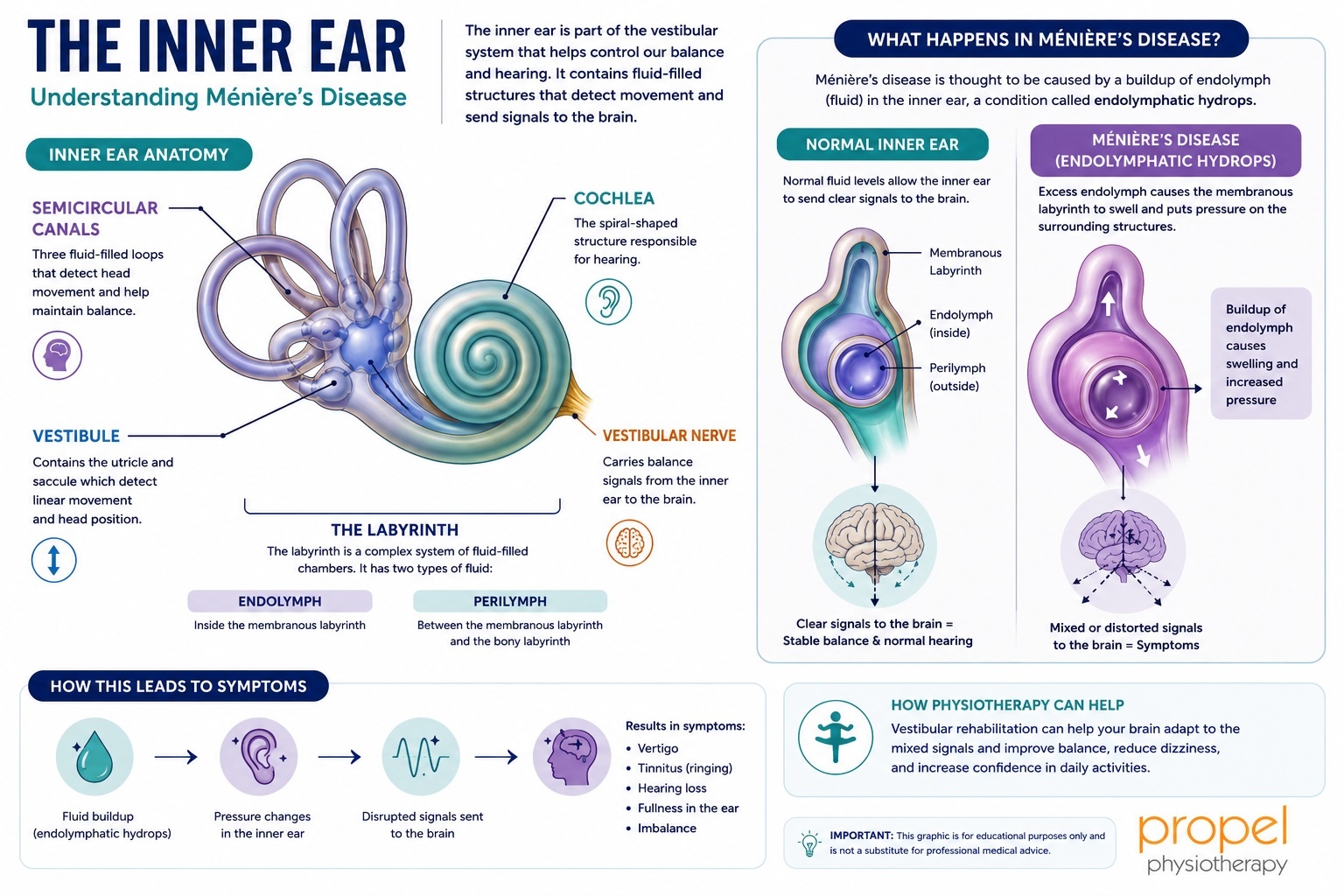
Ménière’s Disease is a disorder that causes fluid to collect in the inner ear resulting in a variety of symptoms that can occur suddenly, without any warning. The symptoms can include vertigo, ringing in the ear (tinnitus), a feeling of fullness in the ears and hearing loss.
The disease occurs equally in both men and women and is more likely to occur in adults between 40 and 60 years of age.[ii] Genetic and environmental factors can also influence the incidence of the disease between countries.
What Causes Ménière’s Disease Symptoms?
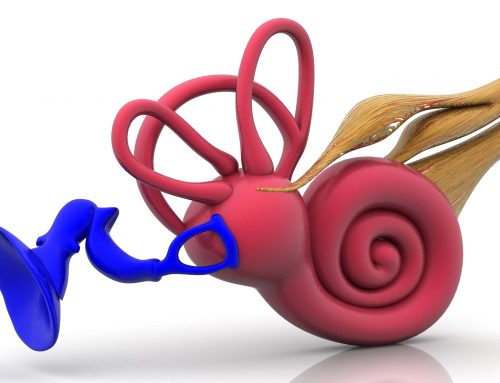
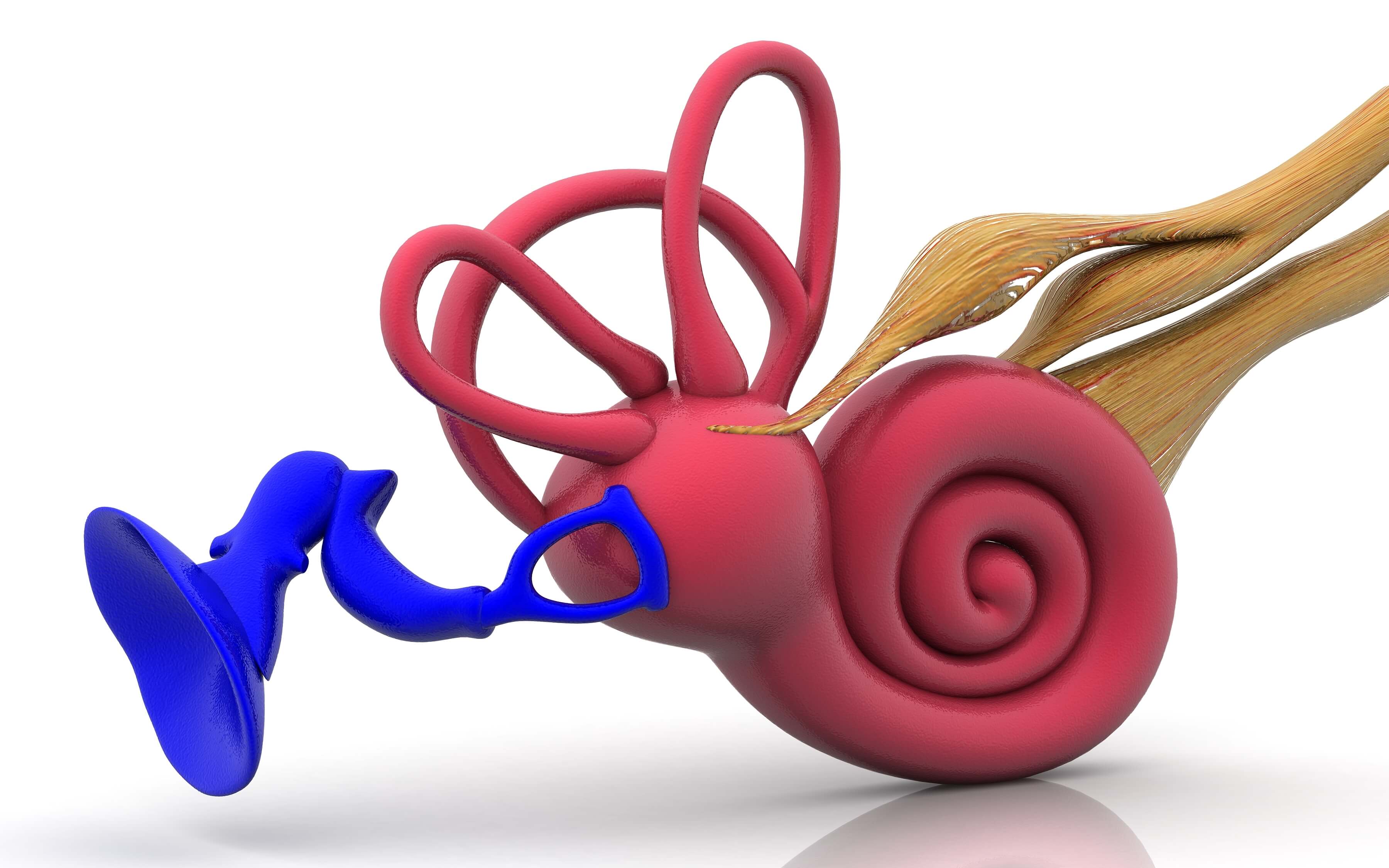
Ménière’s disease symptoms are caused by the buildup of fluid in a compartment of the inner ear, called the labyrinth. The labyrinth contains the organs of balance (the semicircular canals and otolithic organs) and of hearing (the cochlea). It has two sections: the bony labyrinth and the membranous labyrinth.
The membranous labyrinth is filled with a fluid called endolymph that, stimulates receptors as the body moves, sending signals to the brain about the body’s position and movement. In the cochlea, fluid is compressed in response to sound vibrations, which stimulates sensory cells that send signals to the brain.
The endolymph buildup in the labyrinth interferes with the normal balance and hearing signals between the inner ear and the brain, causing the symptoms of the disease.ii
What is the Outlook for Someone with Ménière’s Disease?
Although there is no cure for Ménière’s, there are many treatment options available to those who suffer from the disease. These can include medications (anti-vertigo, anti-nausea and diuretics), dietary changes (reducing sodium, eliminating alcohol and caffeine), injections to the inner ear and surgery.[iii] While these options may help, physical therapy also offers a treatment approach to alleviate the symptoms of Ménière’s disease.
Physical Therapy and Ménière’s Disease
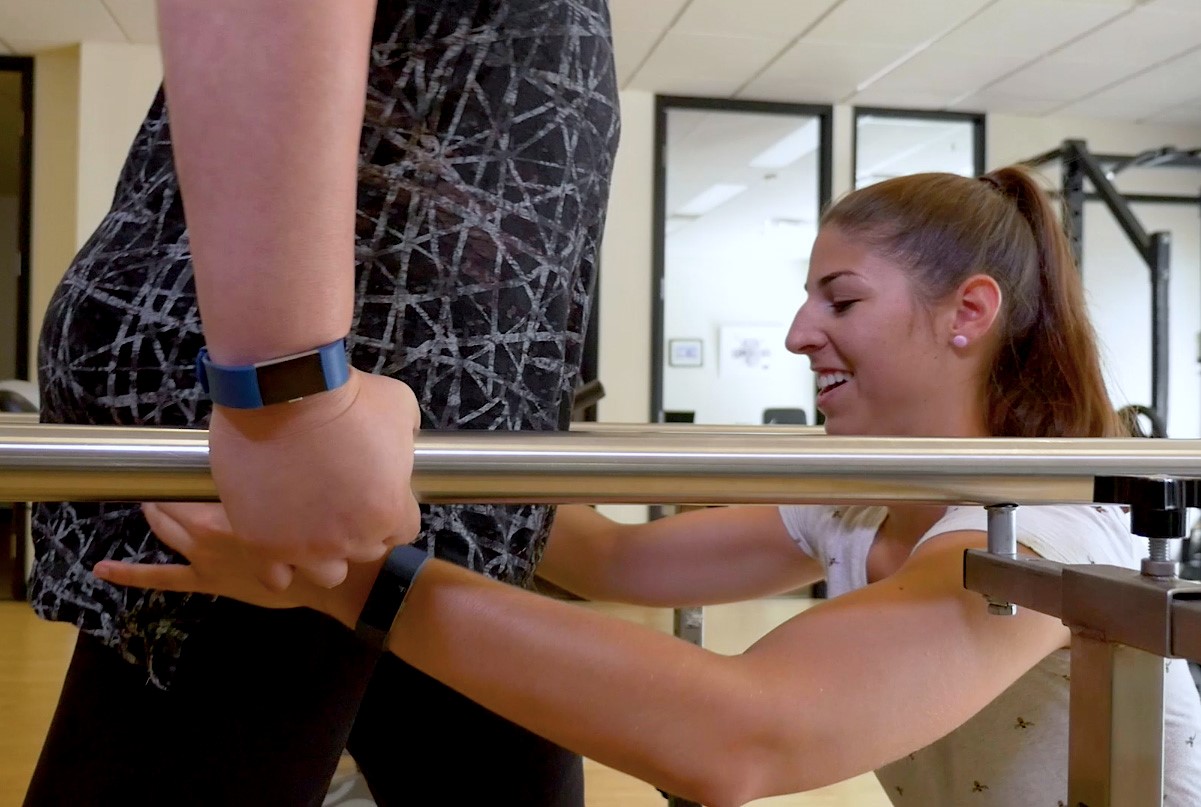
Vestibular physiotherapy specializes in the treatment of dysfunction of the vestibular system that leads to imbalance, dizziness, and nausea. This type of therapy may include positional maneuvers, habituation exercises, gaze stability training and balance training.
In Ménière’s disease, balance may be affected, as well as secondary compensations such as neck strain, overreliance on vision and muscular imbalances. Research suggests that vestibular physical therapy can improve both subjective and objective measures of balance in clients with Ménière’s Disease.[iv]
4 Key Exercises for Managing Ménière’s-Related Dizziness & Imbalance
In our previous section, we discussed how vestibular physiotherapy can help manage the symptoms of Ménière’s disease. While every treatment plan is tailored to an individual’s specific needs, specific exercises can be highly effective in retraining the brain to compensate for the disrupted signals coming from the inner ear.
The following four exercises are commonly used in vestibular rehabilitation to improve gaze stability, reduce motion sensitivity, and build confidence in balance. Watch the video demonstration above to see the proper form, then read the detailed breakdowns below.
- Horizontal VOR (Vestibulo-Ocular Reflex) Exercise
For individuals with Ménière’s disease, disrupted signals from the inner ear can lead to dizziness, blurred vision, and difficulty focusing when the head moves. This exercise trains the brain to keep your vision steady while your head is in motion.
- How to do it: Place a small, stationary target on the wall (such as a sticky note). Keep your eyes fixed on that target while you slowly turn your head side to side, as if saying “no.”
- The goal: Over time, this helps reduce motion sensitivity, improve gaze stability, and increase confidence with daily actions like walking, turning, or changing positions.
- Vertical VOR (Vestibulo-Ocular Reflex) Exercise
This is a natural follow-up to the horizontal VOR. It challenges the vestibular system in a different plane of movement, helping you maintain clear vision during up-and-down motions.
- How to do it: Keeping your eyes locked on the same stationary target, slowly move your head up and down, as if nodding “yes.”
- The goal: With consistent practice, this exercise helps reduce dizziness and makes everyday movements like looking up, bending down, or navigating busy environments feel easier and more comfortable.
- Tandem Walking with Horizontal Head Turns
This exercise challenges both your balance and visual stability simultaneously by combining walking with controlled head movements. It’s an excellent next step after mastering the standing VOR exercises.
- How to do it: Place one foot directly in front of the other, heel-to-toe, as if walking on a tightrope. Slowly walk forward in a straight line while turning your head side to side in sync with your steps.
- The goal: Practicing this can improve dynamic balance, coordination, and confidence while walking—especially in environments that require looking around, such as navigating grocery store aisles or crowded spaces.
- Narrow Stance Balance on a Foam Pad with Eyes Closed
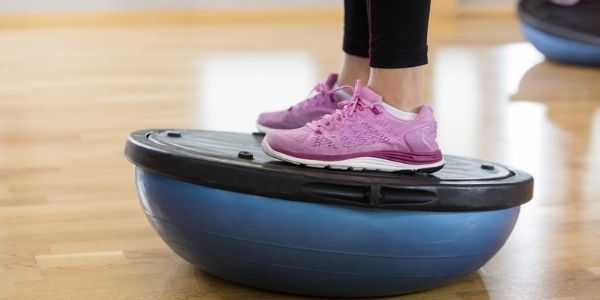
This advanced exercise challenges your balance system by reducing both your base of support and your primary sense (vision). It forces the brain to rely more on the vestibular system and proprioception (body awareness).
- How to do it: Stand with your feet close together on a foam pad or a cushioned surface. Once you feel stable, gently close your eyes.
- The goal: Removing visual input makes your body work harder to process signals from the inner ear and muscles to stay upright. This exercise helps improve static balance, body awareness, and steadiness in situations where vision is limited, such as in dim lighting or on uneven surfaces.
Important Note: Always perform these exercises in a safe environment, ideally near a wall or sturdy counter for support if needed. Start slowly, and consult with a vestibular physiotherapist at Propel Physiotherapy to ensure these exercises are appropriate for your specific stage of Ménière’s disease.
Conclusion
Balance training is tailored to meet individual needs based on comprehensive assessments, and can include training of proprioceptive, vestibular and vision systems. This type of training can be static or dynamic, involve internal or external perturbations all with the goal of improving postural control and stability to decrease the risk of falls.
At Propel Physiotherapy we have specialized therapists trained in vestibular therapy that can help to manage and alleviate the symptoms of this disease. If you or someone you know has been diagnosed with Ménière’s disease or is experiencing similar symptoms, contact us for a complementary consultation today.
References
[1] Understanding Meniere’s Disease, Canadian Hard of Hearing Association
[2] Ménière’s Disease, National Institutes of Health
[3] Meniere’s Disease, Harvard Health Publishing
[4] Early vestibular physical therapy rehabilitation for Meniere’s disease
Written by

OUR LOCATIONS
FOLLOW US!
OUR SERVICES







Last Updated on May 27, 2026 by Propel Physiotherapy