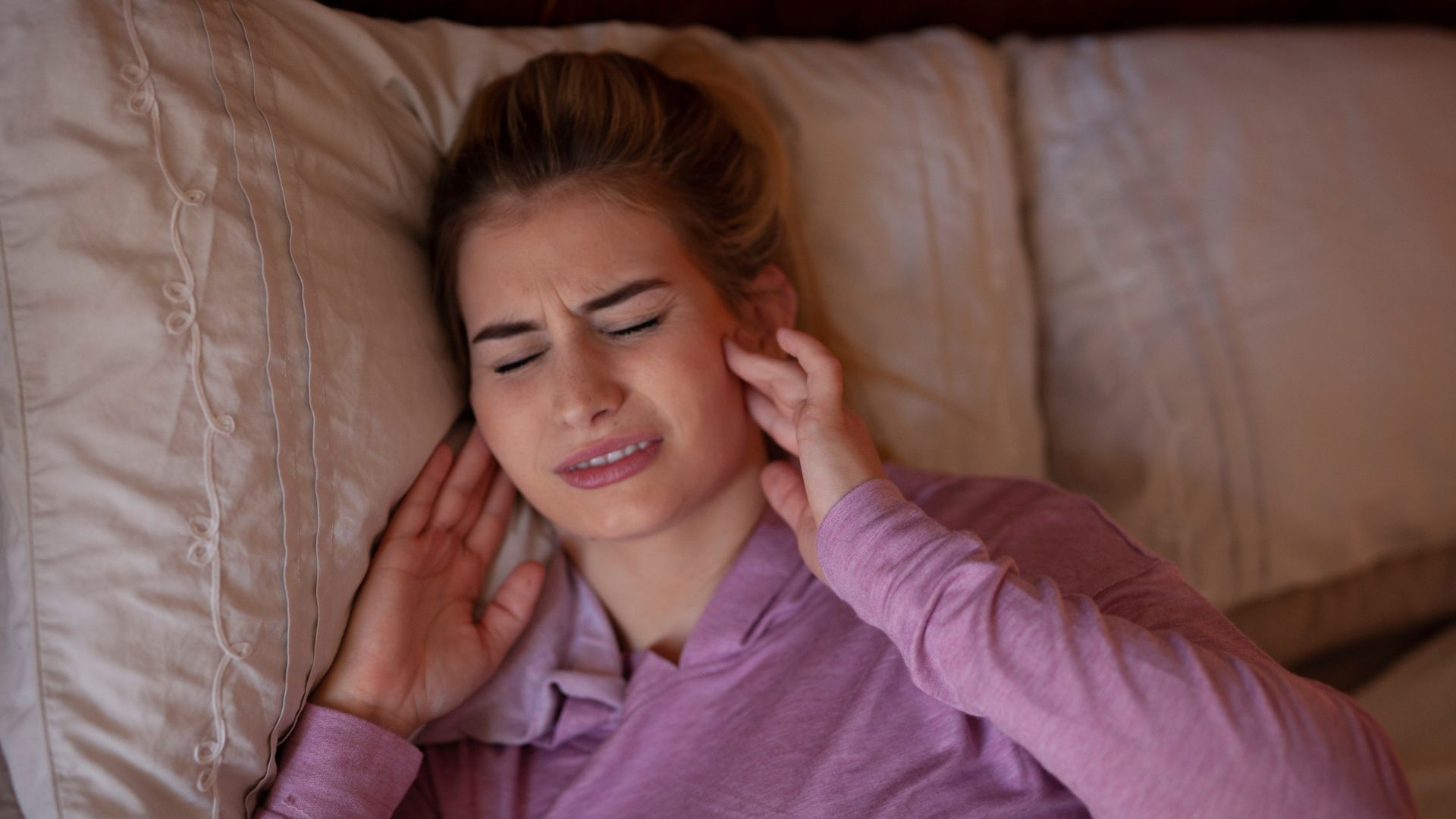
Have you ever experienced a headache so severe that it disrupted your entire day and daily activities?
Migraines can be debilitating, and if you’ve experienced them, you will know they are much worse than the typical “headaches.”
In this post, you’ll learn:
- What migraines are and how they differ from regular headaches
- The common types of migraines
- Phases of a migraine
- How massage therapy can help reduce pain, tension, and stress
With a better understanding of this, you can take more practical steps to reduce the effects and frequency of migraines. The goal is to help you feel more in control, better informed, and supported in your journey toward relief.
What Is a Migraine?
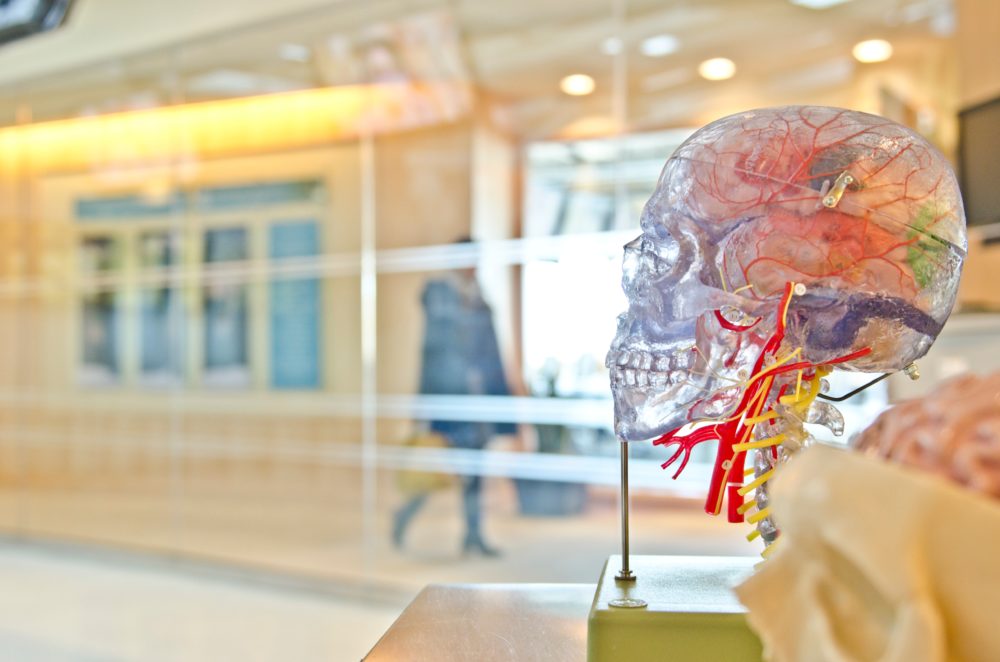
A migraine is a complex neurological condition that commonly begins in early adulthood and is more prevalent in women. In Canada, about 14% of people are affected.[i]
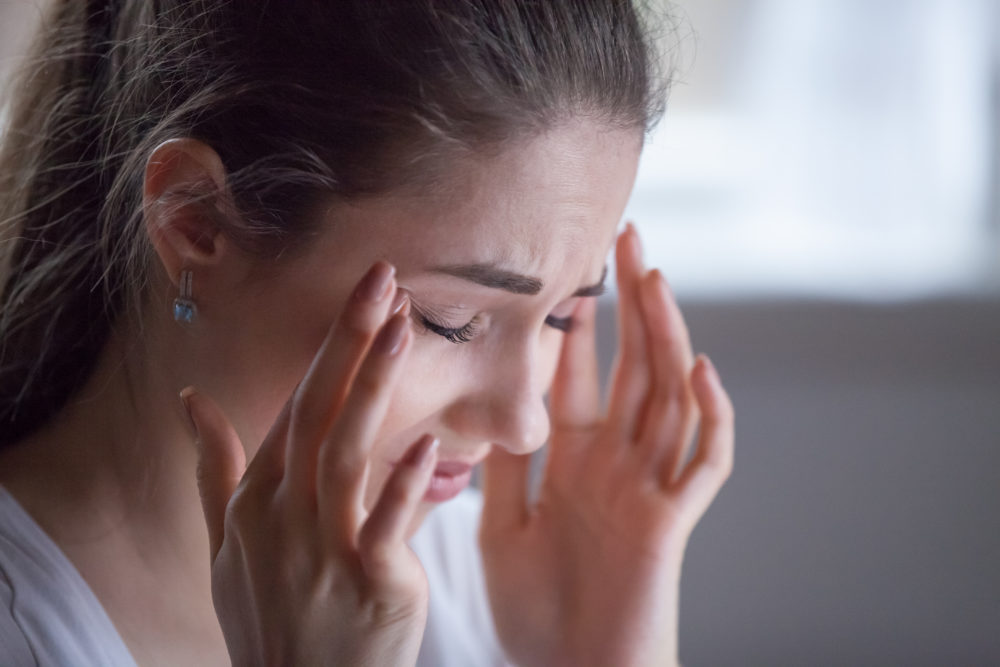
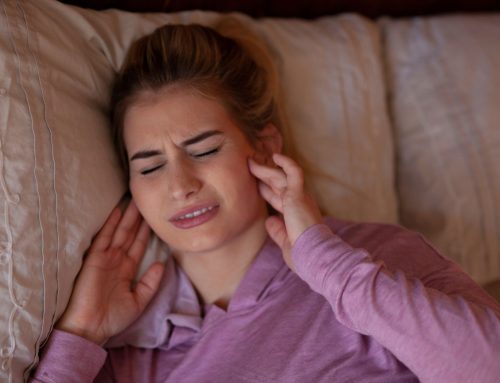
It is characterized by moderate to severe headache pain, usually on one or both sides of the head, with a throbbing or pulsing quality. The intensity of the pain can significantly interfere with daily activities such as work, school, and household tasks.[ii]
Migraine attacks can last for several hours or even days. They are often accompanied by:
- Nausea and/or vomiting
- Increased sensitivity to light (photophobia)
- Increased sensitivity to sound (phonophobia)
- Sensitivity to movement
Migraines are often triggered by certain factors, including:
- Weather changes
- Hormonal fluctuations
- Stress
- Certain foods or food additives [iii]
These triggers may disrupt the brain’s chemical balance, making a migraine attack more likely in individuals who are prone to them.
Types of Migraines
1. Migraine Without Aura
This is the most common type of migraine. Attacks typically last between 4 and 72 hours.[iv] Common features include:
- One-sided head pain
- Pulsing or throbbing sensation
- Moderate to severe intensity
- Worsening with regular physical activity
- Associated nausea, sensitivity to light, and/or sensitivity to sound
2. Migraine With Aura
This type includes temporary neurological symptoms that usually occur before the headache begins. These symptoms are fully reversible and typically develop gradually over several minutes.[iv]
Aura symptoms may include:
- Visual disturbances (e.g., flashing lights, blind spots)
- Sensory changes (e.g., tingling or numbness)
- Other temporary central nervous system symptoms
Phases of a Migraine
1. Prodrome
This is the early stage of a migraine and can begin hours or even days before the headache starts.[iii] Symptoms may include:
- Mood changes
- Frequent yawning
- Food cravings
- Fatigue
2. Aura
Not everyone experiences this phase. When present, it occurs shortly before the headache phase and typically lasts 5 to 60 minutes.[v]
3. Headache
This is the main phase of migraine. The pain usually begins gradually and increases in intensity. It may be felt on one or both sides of the head and can range from mild to severe. This phase can last for hours or days.[ii]
4. Postdrome
After the headache resolves, this phase is sometimes referred to as the “migraine hangover.”
individuals may experience:
- Fatigue
- Confusion
- Difficulty concentrating
- Dizziness
- Sensitivity to touch or light
Benefits of Massage Therapy for Migraines
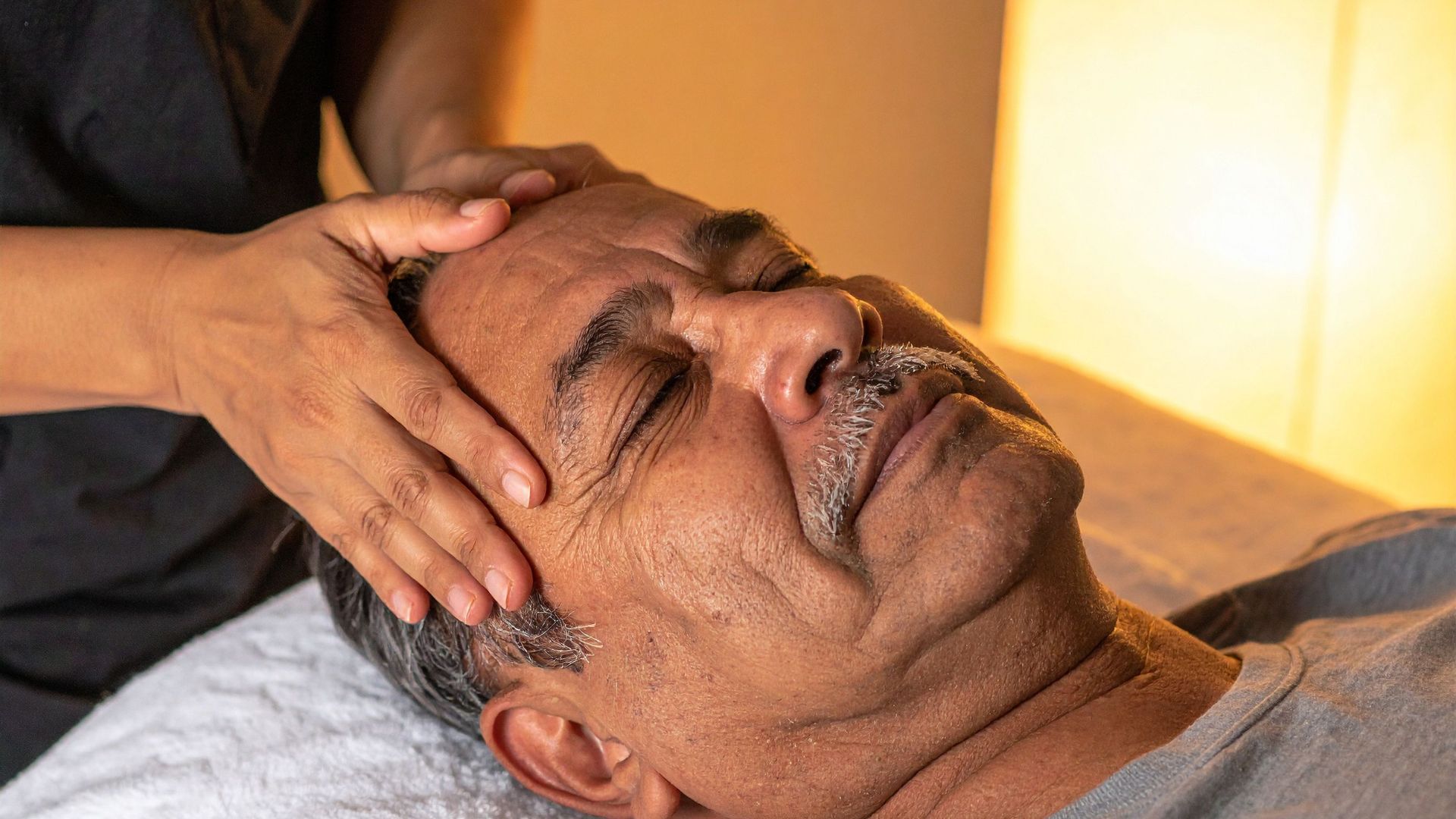
Massage therapy is a non-pharmacological (non-medication) approach that can support migraine management. For many individuals, it may help reduce both the frequency and intensity of migraine attacks.
Potential benefits include:
- Reduced pain and overall discomfort
- Decreased muscle tension, especially in the neck and shoulders
- Improved relaxation and stress relief
By addressing muscular tightness and stress—two common migraine triggers—massage therapy can play a supportive role in a comprehensive migraine management plan.
Massage Therapy Techniques Commonly Used
Several massage techniques may be incorporated depending on the individual’s needs and presentation: These techniques aim to relieve muscle tension, enhance circulation, and reduce stress, all of which may contribute to better management of migraine symptoms.
- Swedish massage – Promotes relaxation and improves circulation.
- Deep tissue massage – Targets deeper layers of muscle to relieve chronic tension.
- Trigger point therapy – Focuses on specific tight knots that may refer pain to the head.
- Connective tissue massage – Works on fascia to reduce restrictions and improve mobility.
If you’re looking to achieve your wellness goals, consider incorporating massage therapy into your routine! This non-pharmaceutical approach can be a game-changer, helping to ease muscle tightness, alleviate discomfort, and promote relaxation. By adding massage therapy to your comprehensive management strategy, you can find significant relief from migraine symptoms and enhance your overall well-being.
At Propel Physiotherapy, our dedicated massage therapists are eager to tailor each treatment to your unique needs. Take the step towards a healthier, more balanced life today—schedule your appointment now!
References
[i] What is Migraine? – Migraine Canada. (2025, March 17). Migraine Canada.
[ii] Migraine. (2019). National Institute of Neurological Disorders and Stroke.
[iii] Golden, K. (2017, May 23). Tackling Migraines Head-On | Massage Therapy Journal. American Massage Therapy Association.
[iv] IHS classification. (2016). 1. Migraine – ICHD-3 The International Classification of Headache Disorders 3rd edition. ICHD-3 the International Classification of Headache Disorders 3rd Edition.
[v] The Timeline of a Migraine Attack | American Migraine Foundation. (2018, January 18). American Migraine Foundation.
[vi] Chaibi, A., Tuchin, P. J., & Russell, M. B. (2011). Manual therapies for migraine: a systematic review. The Journal of Headache and Pain, 12(2), 127–133. doi.org/10.1007/s10194-011-0296-6
[vii] Rostron, RMT, S. (2021). The Effects of Massage Therapy on a Patient with Migraines and Cervical Spondylosis: a Case Report. International Journal of Therapeutic Massage & Bodywork: Research, Education, & Practice, 14(3), 15–21.
[viii] Toprak Celenay, S., Coban, O., Mete, O., & Karahan, N. (2023). An investigation of the effects of connective tissue massage in women with migraine: A controlled clinical trial. Journal of Bodywork and Movement Therapies, 33, 112–119. doi.org/10.1016/j.jbmt.2022.09.008
Written by