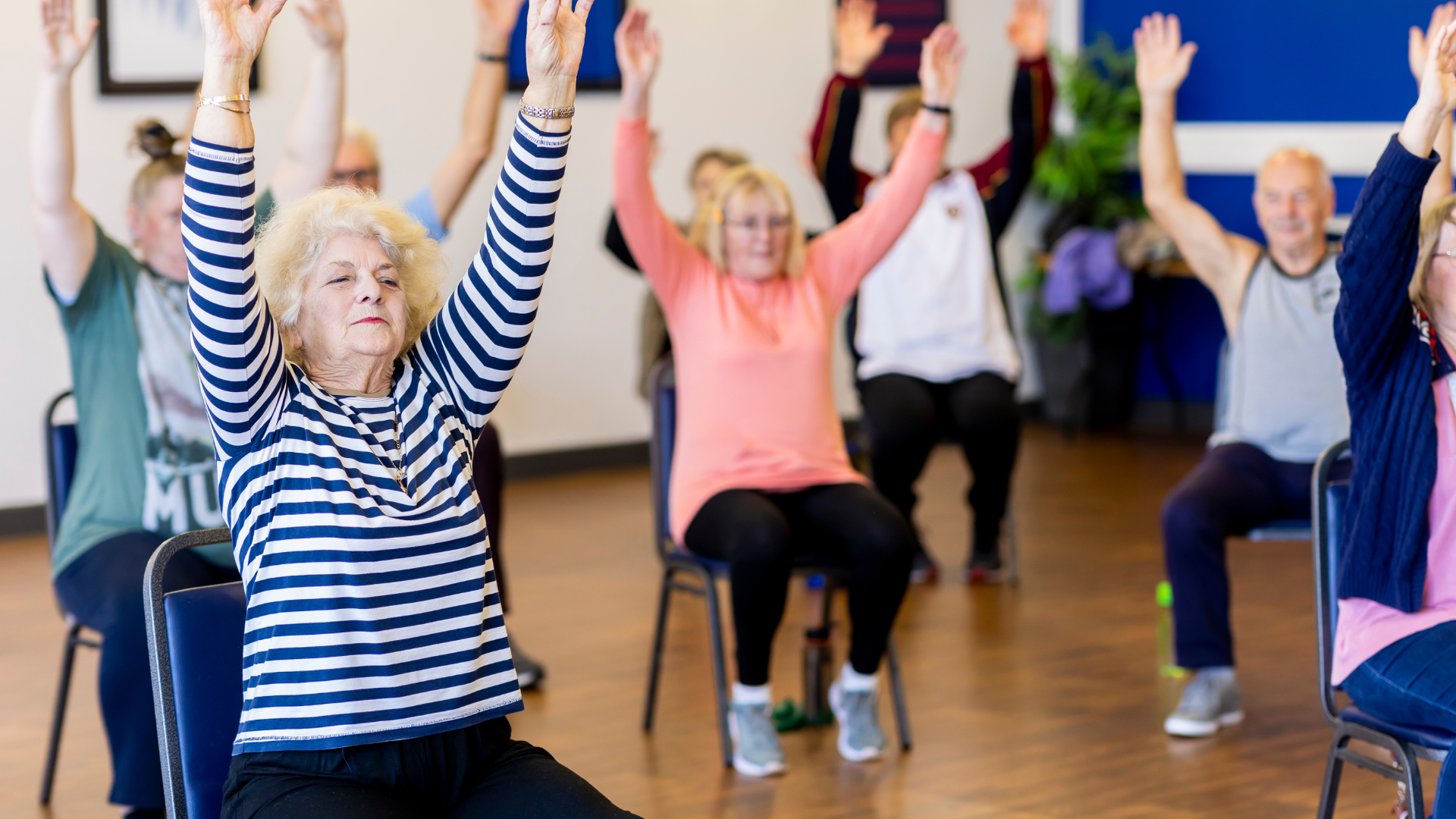

A diagnosis of osteoporosis can sometimes come with fear, anxiety, and many unanswered questions. What does this mean for my future? What comes next in terms of treatments and medications? How will I manage physically?
The already frightening prospect of falling can suddenly seem more dangerous and detrimental in the face of osteoporosis. However, what some don’t realize is that physiotherapy and resistance training are simple and easy methods to strengthen the very structures affected by the disease – the bones – and reduce your risk of osteoporosis fractures.
In this article, I will discuss osteoporosis and the positive effects that resistance training can have on bone density, and why it should be part of your osteoporosis management program.
Table of Contents
- How does osteoporosis affect the body?
- Why is resistance training important for people with osteoporosis?
- How resistance training reduces the risk of osteoporosis fractures
- Resistance training exercises for people with osteoporosis
- Conclusion
How Does Osteoporosis Affect the Body?
Osteoporosis is a condition that results in decreased bone mineral density and bone mass, which results in bone weakness and an increase in fracture risk. Osteoporosis is considered a “silent” disease. It typically goes unnoticed over a long period of time because there are no noticeable symptoms until a bone fracture occurs.
The most common osteoporosis fracture sites occur at the hip, spine, wrist, and shoulder.[i] A physiotherapist guided resistance training program can help target and strengthen all of these injury-prone areas and more.
Other consequences of osteoporosis-related fractures can include:
- Height loss: Osteoporosis fractures that occur in the vertebrae of the spine can result in change in bone formation which can reduce their height, thus resulting in rounding and shortening of the spine.
- Chronic pain: Prolonged pain can occur if the bones are weak and cannot properly support the body, if the bones don’t heal properly after an osteoporosis fracture, or if a fracture interrupts blood flow to the bone resulting in bone death (osteonecrosis).
- Decreased mobility: While healing from an osteoporosis fracture, you may not be able to move as freely which can cause weakness and ultimately reduce your independence.[ii]
For information on exercise guidelines for osteoporosis, please refer to the blog post: How Physiotherapy Helps Reduce Osteoporosis Related Falls.
Why is Resistance Training Important for People with Osteoporosis?
Resistance training, also known as strength training, is a form of exercise whereby the body must move against an external force. This is often classified as weight training but can also be performed using body weight to resist movements.
The goal of resistance training is to improve the strength of the muscles and bones. This is especially important for people with osteoporosis and can help reduce the risk of fractures. Let’s take a closer look at how that works next.
How Resistance Training Reduces Risk of Osteoporosis Fractures
Bone is an adaptive tissue. It’s mass, structure, and strength can adapt to the loads that are placed on it. Resistance training, by its very nature, applies stress to the bones that prompts the body to create denser bone tissue (osteogenesis), thereby improving overall bone health.
This phenomenon applies to those diagnosed with osteoporosis as research shows that resistance training has positive benefits on bone density in this population.
Specifically, research shows that resistance training can improve bone mineral density and reduce bone mineral loss among individuals with osteoporosis, meaning that it helps to strengthen the bones, and therefore assists with reducing osteoporosis fracture risk.[iii]
Due to the risk of injury, it is important that people with osteoporosis are supervised by a professional, particularly when you first get started on a resistance training program.
Resistance Training Exercises for People with Osteoporosis
Research shows that certain types of resistance training are more beneficial than others when it comes to the effects on bone mineral density. For example, high-intensity resistance (lifting heavier weight) and impact training (jumping exercises) were found to have greater benefits on bone health in middle-aged and older men with osteoporosis, as well as post-menopausal women with osteoporosis when compared to other forms of exercise.[iii],[iv]
These exercises include deadlifts, overhead press, squatting with weight, as well as jumping variations. [iii],[iv] This type of exercise is beneficial for maintaining and improving bone mineral density in the femur and lower spine, which reduces the risk of fractures in these common sites. [iii],[iv] Moderate-loading intensity programs (lower weight exercises) have also been shown to have some benefits on bone mineral density at these sites as well. [iv]
However, it is important to note that the type of resistance training that is most beneficial to an individual with osteoporosis can depend on many personal factors that are unique to each person. You should consult a physiotherapist or healthcare professional with training in osteoporosis treatment before engaging in any new type of exercise independently.
Conclusion
While receiving a diagnosis of osteoporosis may at first seem overwhelming and concerning, it is important to know that there are many resources and strategies available to help you cope with managing this condition. Importantly, exercise and resistance training are shown to have positive effects on your bone health which can help reduce the risk of osteoporosis fractures and assist you in staying strong and healthy.
Although hearing the words “resistance training” may seem daunting at first, especially to those with little to no experience in this area of exercise, the team at Propel Physiotherapy are well equipped with the tools and knowledge to assist you in developing and implementing an exercise program that is right for you. Our goal is to help you stay your strongest and safest as you navigate this new part of your life.
Contact us to see how we can help you!
References
[ii] Healthline, How does resistance training prevent osteoporosis
[iii] Effectiveness of Exercise Loading on Bone Mineral Density and Quality of Life Among People Diagnosed with Osteoporosis, Osteopenia, and at Risk of Osteoporosis—A Systematic Review and Meta-Analysis
[iv]Comparison of Bone‐Targeted Exercise Strategies to Reduce Fracture Risk in Middle‐Aged and Older Men with Osteopenia and Osteoporosis: LIFTMOR‐M Semi‐Randomized Controlled Trial | Journal of Bone and Mineral Research | Oxford Academic
[v] High-Intensity Resistance and Impact Training Improves Bone Mineral Density and Physical Function in Postmenopausal Women With Osteopenia and Osteoporosis: The LIFTMOR Randomized Controlled Trial – PubMed
Written by

OUR LOCATIONS
FOLLOW US!
OUR SERVICES









Last Updated on December 2, 2025 by Propel Physiotherapy