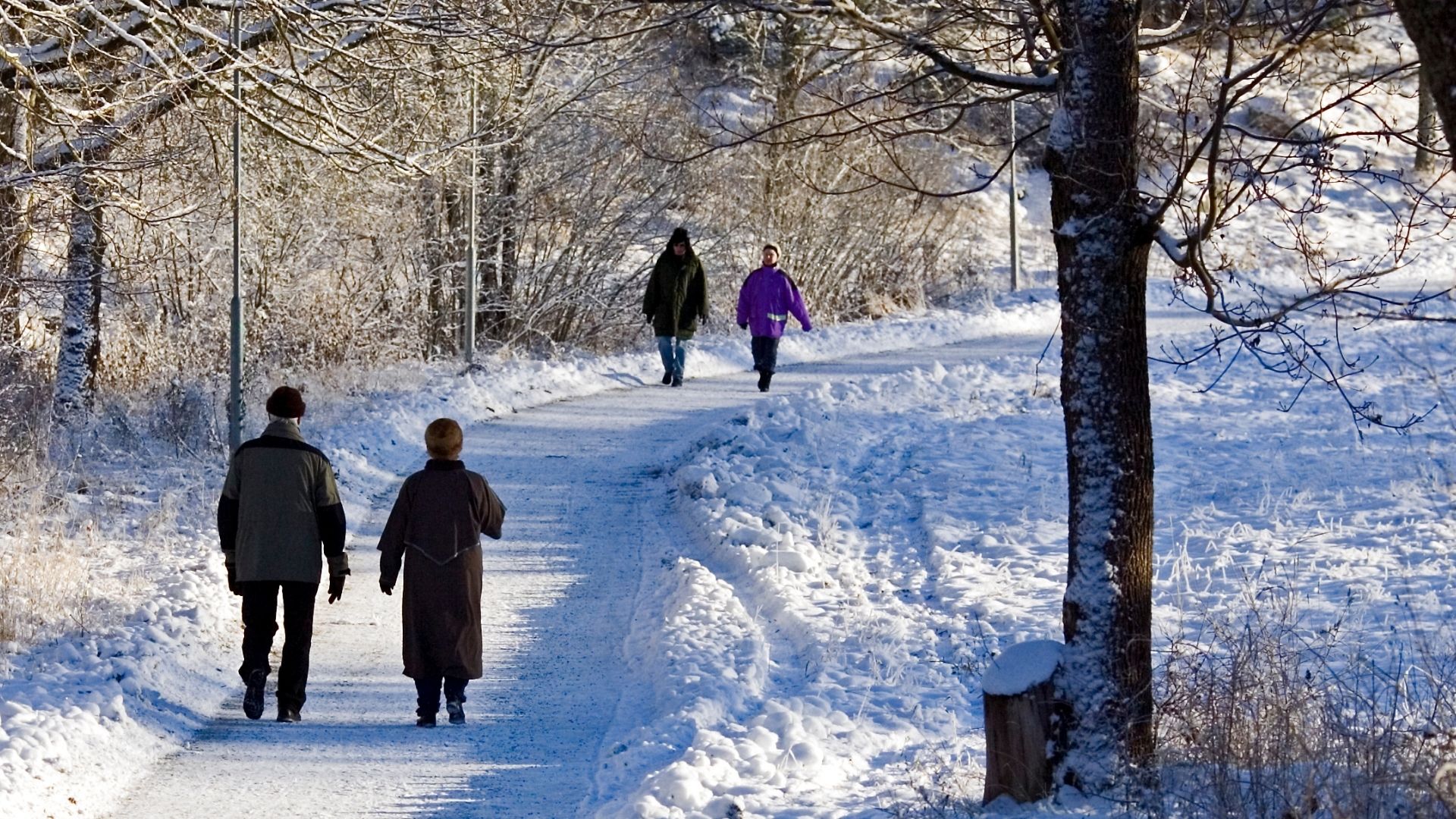
As temperatures drop and winter settles in, many people notice an increase in stiffness, aches, or back discomfort. This isn’t a coincidence. Cold weather can cause muscles to tighten and joints to feel less flexible, making everyday movements feel more difficult than usual.
At the same time, people often move less in winter, whether it’s due to icy conditions, shorter daylight hours, or spending more time indoors, which can present one set or problems with back and joint stiffness. On the flipside, heading outdoors, whether to shovel snow, play winter sports, carry groceries or simply walk on slippery surfaces presents another set of challenges for our bodies.
The good news is that winter-related aches and pains aren’t inevitable. With a better understanding of how cold weather affects the body – and by using smart movement strategies – it’s possible to protect your back and joints and stay active and comfortable throughout the winter months.
In this blog, we will discuss how cold weather affects muscles, joints and circulation, tips and strategies you can use to protect your back and joints in the colder months, as well as how to determine when to seek professional help for your aches and pains.
Table of Contents:
- How cold weather affects muscles and joints and circulation
- Proper lifting technique to protect your back in winter
- Winter ergonomics and joint protection strategies
- Tips for staying mobile and injury-free all winter
- When to seek physiotherapy support
- Conclusion: stay active and healthy all winter
How Cold Weather Affects Muscles, Joints, and Circulation
Cold temperatures can have a noticeable impact on how our bodies move and feel. When we’re exposed to colder weather, blood vessels tend to narrow, which can reduce circulation to muscles and joints. With less blood flow, tissues may feel stiffer, tighter, and slower to respond – especially first thing in the morning or after periods of inactivity.[i]
Muscles also tend to tighten in the cold as a natural protective response. While this helps the body conserve heat, it can reduce flexibility and make movements feel more restricted. Stiffer muscles are less able to absorb sudden forces, which increases the risk of strains if you lift, twist, or move quickly without properly warming up.[ii]
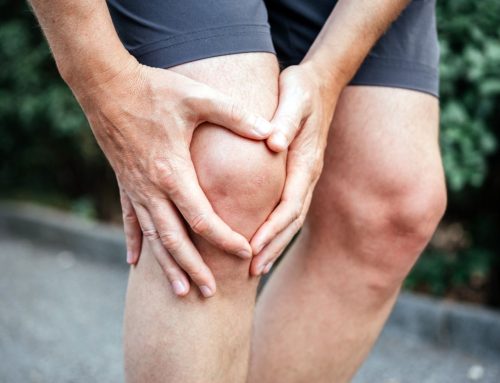
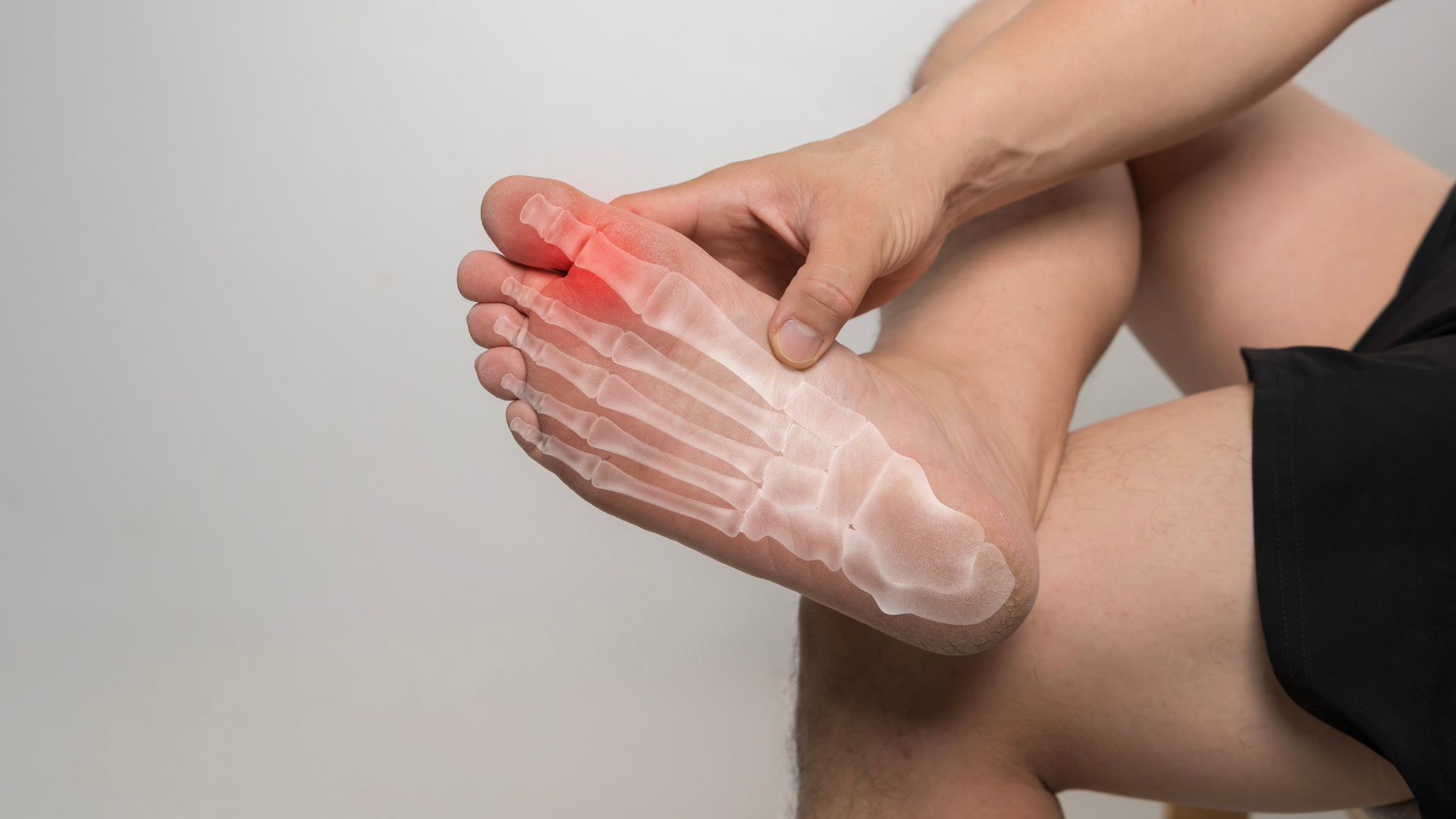
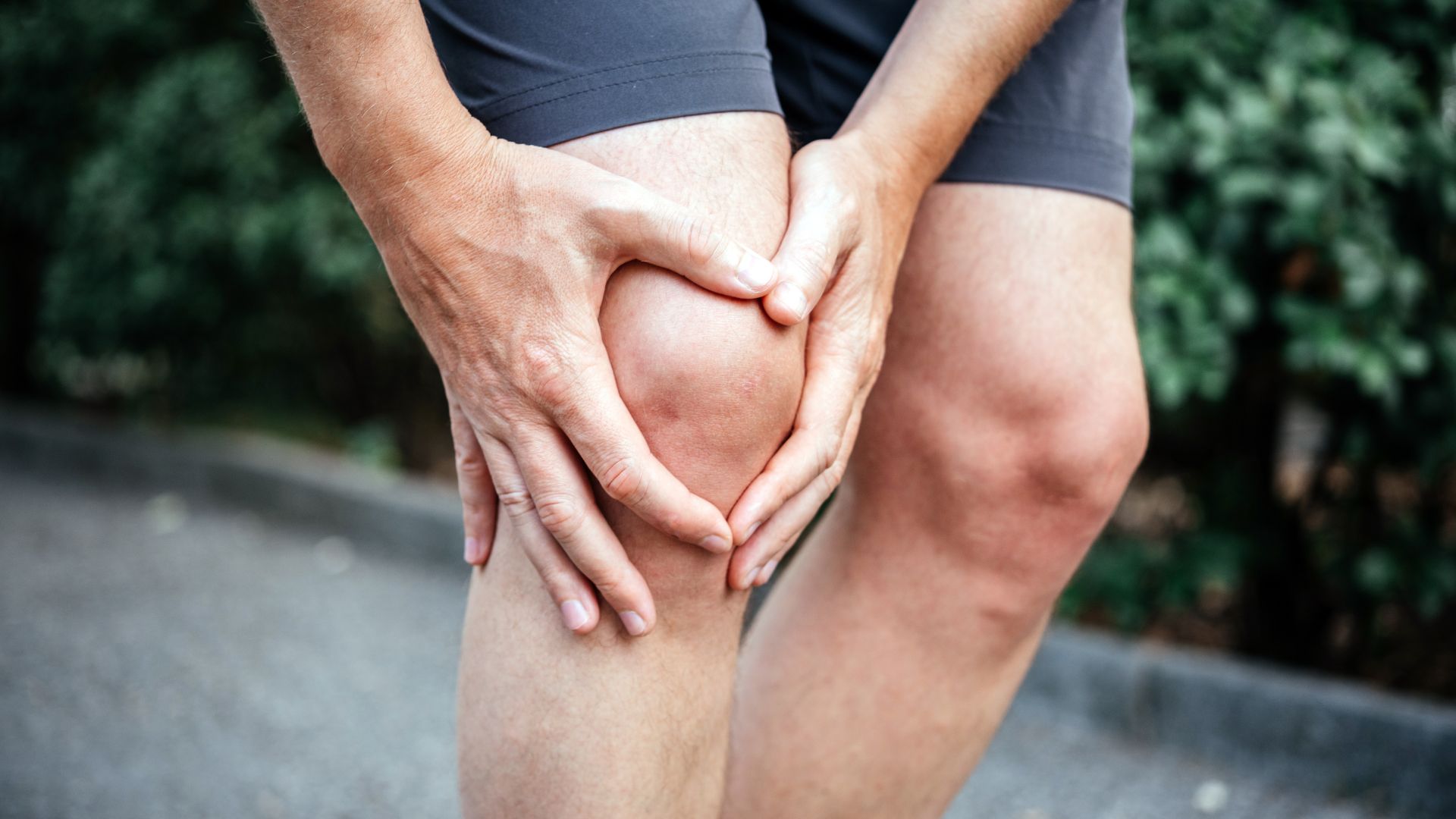
For people with previous injuries, arthritis, or chronic pain, winter weather can make symptoms more noticeable. Colder temperatures can increase joint stiffness and sensitivity, and changes in barometric pressure may also influence how pain is perceived.[iii] This doesn’t mean winter causes joint damage, but it does mean the body often needs a little extra care and preparation during colder months.
Understanding how cold affects muscles, joints, and circulation helps explain why staying active, moving well, and using proper lifting techniques are especially important in winter – and why even a brief warm-up before physical activity can make a meaningful difference.
Proper Lifting Technique to Protecting Your Back In Winter
Using proper lifting mechanics is important year-round, but it becomes especially critical in winter when muscles are stiffer and balance may be challenged by slippery conditions. Lifting with poor technique places extra stress on the spine and surrounding muscles, increasing the risk of strains or injury – particularly when lifting heavy or awkward objects.
1. Keep the load close to your body: One of the most important principles of safe lifting is keeping the load close to your body. The farther an object is from your center of mass, the more force your back must generate to support it.
2. Bend at the hips and knees: Bending at the hips and knees – rather than through the spine – allows larger muscles of the legs and hips to do more of the work, reducing strain on the lower back.[iv]
3. Avoid twisting: Avoid twisting while lifting or carrying items, as this combination places significant stress on the spine. Instead, turn your whole body by moving your feet.
4. Engage your core and breathe: Engaging your core muscles and breathing steadily can also help provide stability during lifting tasks.
5. Don’t lift too heavy: If an object feels too heavy, awkward, or unstable, it’s a sign to break the load into smaller pieces or ask for assistance. When it comes to winter-specific tasks like snow shoveling, pushing snow when possible is generally less stressful on the back than lifting. If lifting is required, small shovelfuls and frequent breaks can help prevent fatigue-related injuries.[v] Warming up beforehand – even with a few minutes of gentle movement – can further reduce the risk of muscle strain.
Lifting smart isn’t about avoiding activity; it’s about moving efficiently and protecting your body so you can stay active throughout the winter months.
You may also enjoy reading: Cold Weather Injury Prevention
Winter Ergonomics and Joint Protection Strategies
Ergonomics isn’t just about office chairs and desk setups – it’s about how your body interacts with your environment throughout the day. In winter, bulky clothing, reduced movement, and longer periods of sitting can all contribute to increased strain on the back and joints if ergonomics are overlooked.
1. Avoid prolonged sitting: Spending more time seated indoors is common during colder months, whether at work or at home. Prolonged sitting, especially with poor posture, can increase stiffness in the hips and spine and place added stress on the lower back. Ensuring that your chair supports a neutral sitting position – with feet flat on the floor, hips and knees at a comfortable height, and the back supported – can help reduce unnecessary strain.[vi] Taking regular movement breaks, even brief ones, helps maintain circulation and joint mobility.
2. Choose supportive footwear: Heavy or stiff boots may limit natural motion or alter posture, making lifting and walking more demanding. Wearing supportive footwear with good traction can help reduce the risk of slips while also improving joint alignment during walking and standing.
3. Using larger joints and stronger muscle groups: When possible, use your larger muscles like the glutes and quadriceps on your lower body to do most of the heavy lifting. This takes some of the strain and pressure off of your back and arms.
4. Avoid prolonged or awkward positions:. Small adjustments – such as raising work surfaces slightly to avoid bending or breaking tasks into shorter intervals – can make everyday activities more comfortable and sustainable.
5. Pace yourself: Pacing activities throughout the day can help reduce joint stress.
Joint protection principles are especially important in winter. By paying attention to ergonomics and joint protection strategies, you can reduce strain on your body and better manage winter stiffness, setting yourself up for safer movement throughout the season.
Tips for Staying Mobile and Injury-Free All Winter
Staying active in winter can feel more challenging, but regular movement is one of the most effective ways to manage stiffness and keep joints and muscles healthy. When they body isn’t moving often, joints can feel tighter and muscles can lose flexibility, making everyday tasks feel more uncomfortable. Even small amounts of consistent movement can make a meaningful difference.
1. Gentle daily activity helps maintain joint mobility and circulation. Walking, light stretching, and low-impact exercise encourage blood flow to muscles and joints, which can help reduce stiffness and improve comfort. The goal doesn’t need to be intense exercise – frequent, manageable movement throughout the day is often more beneficial than long periods of inactivity followed by sudden exertion.[vii]
2. Warming up before physical activity is especially important in colder weather. Muscles that are cold or stiff are more prone to strain, while a brief warm-up helps prepare the body for movement. Simple actions such as marching in place, gentle range-of-motion exercises, or light stretching for a few minutes can help ease the transition into activity.[viii]
3. Heat can also be a helpful tool for managing winter stiffness. Using a warm shower, heating pad, or warm pack before activity may help relax muscles and improve comfort, particularly for people with chronic joint pain or arthritis.[ix]
4. Staying hydrated is another often overlooked factor, as hydration supports joint health and muscle function year-round, even in colder months.
By keeping movement regular, warming up before activity, and listening to your body, you can stay mobile and reduce winter-related stiffness. These small habits help support long-term joint health and make daily activities feel easier throughout the winter season.
When to Seek Physiotherapy Support
While occasional stiffness or mild aches can be common during winter, persistent or worsening pain isn’t something you have to simply push through. Knowing when to seek support can help prevent small issues from becoming more limiting or long-term problems.
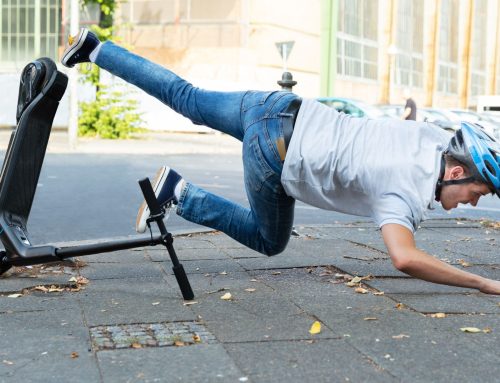
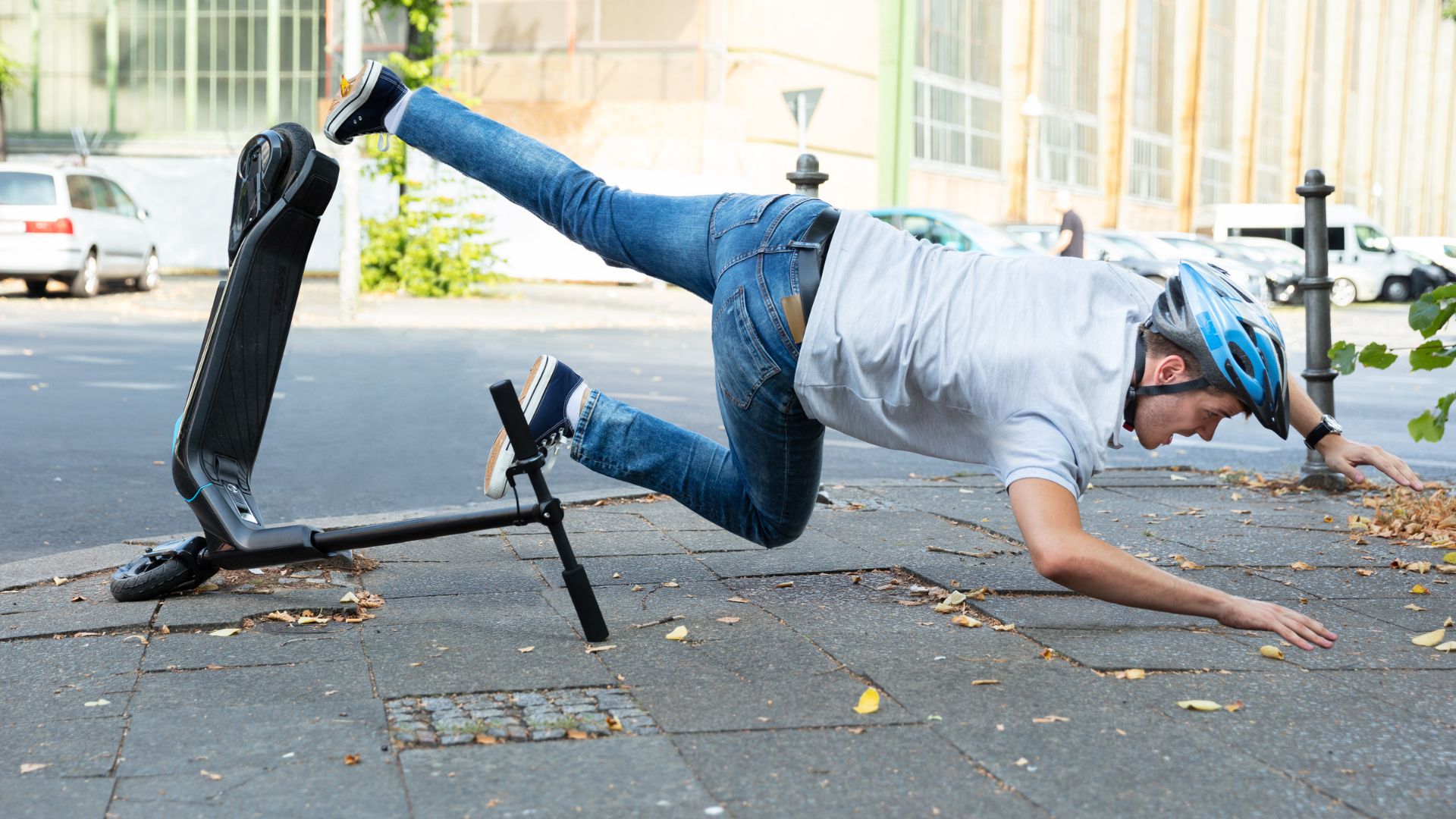
It may be helpful to speak with a physiotherapist if back or joint pain lasts more than a few days, continues to return despite rest, or begins to interfere with daily activities such as walking, lifting, or sleeping. Pain that follows a slip, fall, or sudden strain – such as during snow shoveling – should also be assessed, even if it initially feels manageable. Early assessment can help identify movement patterns or strength deficits that may increase the risk of re-injury.
Physiotherapy can also be valuable for people who notice recurring winter flare-ups each year. Ongoing stiffness, reduced mobility, or discomfort in colder months may indicate that they body needs additional support with strength, flexibility, or movement strategies. A physiotherapist can provide individualized guidance to help manage symptoms, improve movement efficiency, and build resilience for winter activities.
Seeking care early is often key. Addressing concerns before pain becomes severe can support faster recovery, help maintain independence, and keep you active and confident throughout the winter season.
Conclusion: Stay Healthy and Active All Winter
Winter can place extra demands on the body, but aches and stiffness don’t have to be part of the season. Understanding how cold weather affects muscles and joints, using proper lifting mechanics, and paying attention to ergonomics can go a long way in protecting your back and keeping you moving comfortably.
Small, consistent habits – such as staying active, warming up before physical tasks, and pacing activities – help reduce strain and support joint health throughout the winter months. Listening to your body and making simple adjustments early can prevent discomfort from becoming a bigger issue.
If pain or stiffness begins to interfere with your daily life, seeking guidance sooner rather than later can make a meaningful difference. With the right strategies and support, it’s possible to stay strong, mobile, and confident in your movement all winter long.
References
[i] Bleakley, C. M., Costello, J. T., & Glasgow, P. D. (2012). Should athletes return to sport after applying ice? A systematic review of the effect of local cooling on functional performance. Sports Medicine, 42(1), 69-87.
[ii] Bishop, D. (2003). Warm up I: Potential mechanisms and the effects of passive warm up on exercise performance. Sports Medicine, 33(6), 439-454.
[iii] McAlindon, T., et al. (2007). Changes in weather conditions and pain in rheumatic diseases. Arthritis & Rheumatism, 56(9), 2884-2891.
[iv] National Institute for Occupational Safety and Health (NIOSH). Work Practices Guide for Manual Lifting (Publication No. 81–122). Centers for Disease Control and Prevention (CDC).
[v] American Academy of Orthopaedic Surgeons (AAOS). Prevent Snow Shoveling and Snowblowing Injuries. OrthoInfo. /
[vi] Canadian Centre for Occupational Health and Safety (CCOHS). Working in a Sitting Position: Basic Requirements.
[vii] Arthritis Society Canada. Physical activity and arthritis.
[viii] National Health Service (NHS). Warm up before exercising.
[ix] Arthritis Foundation. When to use heat or cold for pain relief.
Written by

OUR LOCATIONS
FOLLOW US!
OUR SERVICES



Last Updated on January 26, 2026 by Propel Physiotherapy